



Knowledge Hub

Unlocking Large-Scale, Long-Term Capital for Sustainable Mobility: Introducing Key Mobility Investment Archetypes
2021
Author(s): World Economic Forum (WEF)
The need for investment into zero-emission greenhouse gas (GHG) technologies is apparent. McKinsey estimates that €28 trillion of investments will be required to reach net-zero by 2050 in the 27 European Union members alone, compared with no climate action.
Developing Innovative Mobility Solutions in the Brussels-Capital Region
2021
Author(s): International Transport Forum (ITF)
This document provides a summary of the recommendations for regulatory and data governance frameworks to support the development of Mobility as a Service (MaaS) in the Brussels-Capital Region.
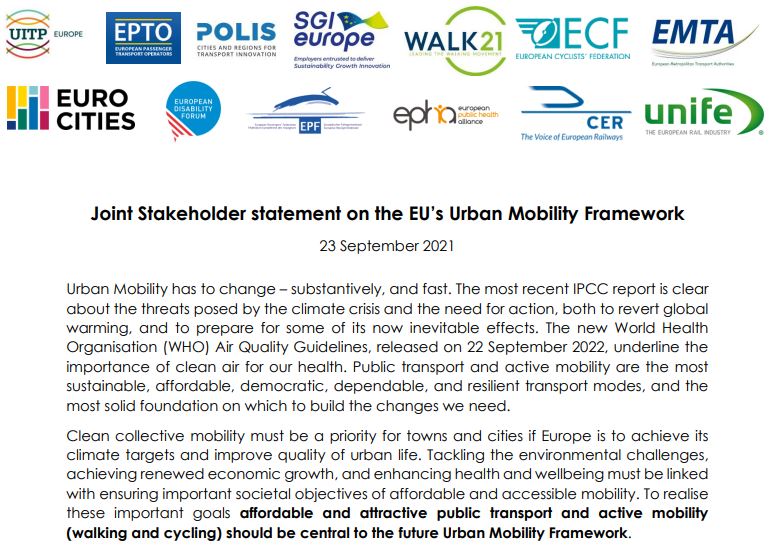
Joint Statement on the Urban Mobility Framework
2021
Author(s): International Association of Public Transport (UITP)
UITP and other associations are publishing a new joint statement on the upcoming Urban Mobility Framework. In the joint statement, a broad coalition of transport stakeholders stress that public transport and active mobility must be the foundation on which to build the change we need in our urban mobility systems.

Some studies are already available on how the climate policy transformation affects employment in the automotive world of work. However, their focus is quite narrow, mostly only the employment effects of electromobility are considered.

Stochastic Analysis of Future Scenarios for Battery Electric Vehicle Deployment and the Upgrade of the Electricity Generation System in Spain
2021
Author(s): Fernández RA
This study analyzes the current and future impacts caused by uncontrolled electric vehicle charging activities on the electrical grid in terms of the possibility of having an undetermined number of electric vehicles plugged in at the same time.
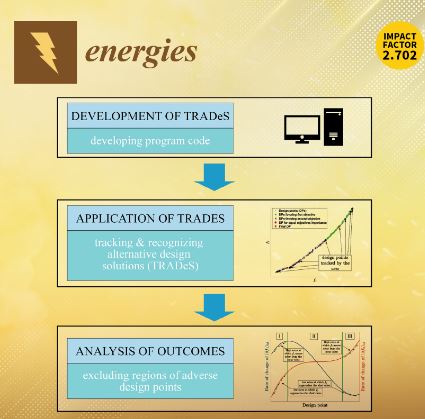
The Potential of Vehicle-to-Grid To Support the Energy Transition: A Case Study on Switzerland
2021
Author(s): Di Natale L, Funk L, Rüdisüli M, Svetozarevic B, Pareschi G, Heer P, Sansavini G
In this study, the authors analyze the concurrent electrification of the mobility sector and investigate the impact of electric vehicles (EVs) on energy systems with a large share of renewable energy sources.
Electric vehicles have zero tailpipe emissions, but still have associated emissions from manufacturing and usage. Regulatory agencies in some countries are considering the possibility of using lifecycle CO2 emissions for battery electric (BEV) and internal combustion engine (ICE) vehicles.
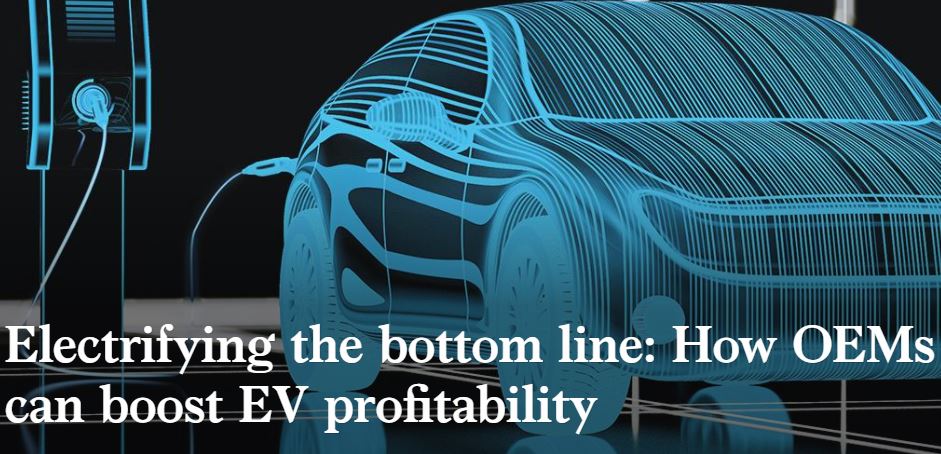
Electric vehicles (EVs) are making up an increasing share of sales in key markets around the world, becoming ever more central to automakers’ business models. With this shift, incumbent OEMs and new EV players alike are searching for profitable EV business models and a sustained competitive advantage, since mass-market EV profitability is still a challenge.

India is experiencing rapid urbanization. Urban freight transport is a crucial enabler of economic activity in cities, ensuring the flow of goods for citizens and businesses. However, urban freight systems also generate negative consequences. Freight vehicles are disproportionate contributors of carbon dioxide, particulate matter, and nitrogen oxide emissions.
WRI’s Camron Gorguinpour explains why expanding adoption of electric vehicles is so important to fight climate change — and what countries must do to encourage it. This video is part of a series spotlighting various climate-related challenges — and solutions — and how countries can better address them in their national climate plans.