



Knowledge Hub

Sustainable Electric Vehicle Batteries for a Sustainable World: Perspectives on Battery Cathodes, Environment, Supply Chain, Manufacturing, Life Cycle, and Policy
2022
Author(s): Yang Z, Huang H, Lin F
Li-ion batteries (LIBs) can reduce carbon emissions by powering electric vehicles (EVs) and promoting renewable energy development with grid-scale energy storage. However, LIB production and electricity generation still heavily rely on fossil fuels, resulting in major environmental concerns.
When, Where and How Can the Electrification of Passenger Cars Reduce Greenhouse Gas Emissions?
2022
Author(s): Sacchi R, Bauer C, Cox B, Mutel C
This paper introduces carculator, a Python library to conduct environmental life cycle assessments of current and future passenger vehicles. Because carculator is open-source and equipped with an easy-to-use online graphical user interface, it produces context-specific results, deemed more relevant than results otherwise published in more static formats.
Investor perspectives on accelerating growth in the Indian ev ecosystem
2022
Author(s): Moerenhout T, Goel S, Aneja, D A, Bansal A, Ray S
The report takes stock of India’s current EVs ecosystem and where the sector may be heading in the future, with a focus on drivers of and barriers to investment. The research for this study involved in-depth consultations with experts, policymakers, investors, and companies, as well as results from an online survey with EV experts and companies. The report presents the main takeaways of this research.
Charging Ahead: A Comparative Analysis of Charging Infrastructure Development in Germany and India
2022
Author(s): Johri V
This report examines how the Indian charging infrastructure ecosystem could benefit from lessons learned from a more advanced EV market such as Germany. It highlights the importance of a data-driven approach to facilitate investment decisions and to ramp up the nascent EV charging industry in India.
Reducing oil dependence in the EU through applied measures for trucks and buses
2022
Author(s): Mulholland E, Rodríguez F
Trucks and buses in the EU represent just 2.5% of the total stock of vehicles on the road, yet they’re responsible for 21% of total annual oil consumption. The study proposes a variety of measures that can be implemented in 2022 to reduce oil consumption from trucks and buses both immediately and by 2027.

The study provides support for implementing the roadmap. It looks specifically at policies for making light-duty vehicles more efficient and less emitting but also provides insights for other motorised road vehicles.
Online event with Vanchhit Johri (German Chancellor Fellow), Amit Bhatt (ICCT) and Christian Hochfeld (Agora Verkehrswende)
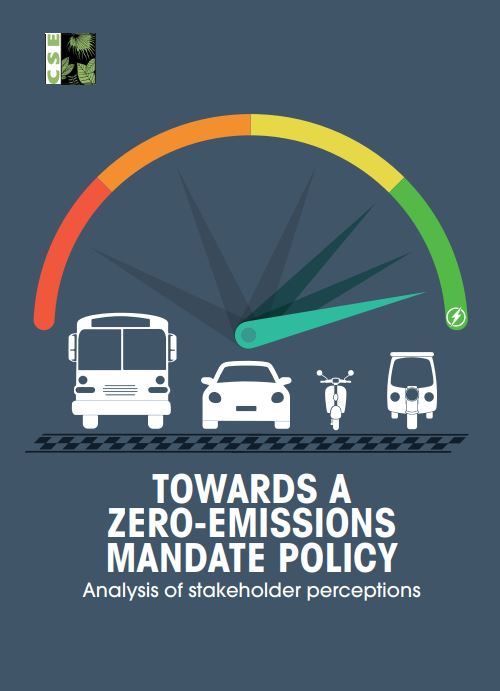
Towards a Zero-emissions Mandate Policy: Analysis of Stakeholder Perceptions
2022
Author(s): Centre for Science and Environment, CITIES Forum.
The report highlights while the Government of India has taken several steps toward faster adoption of EVs, several challenges and gaps exist in the EV ecosystem that must be addressed to build the confidence of consumers and the industry.
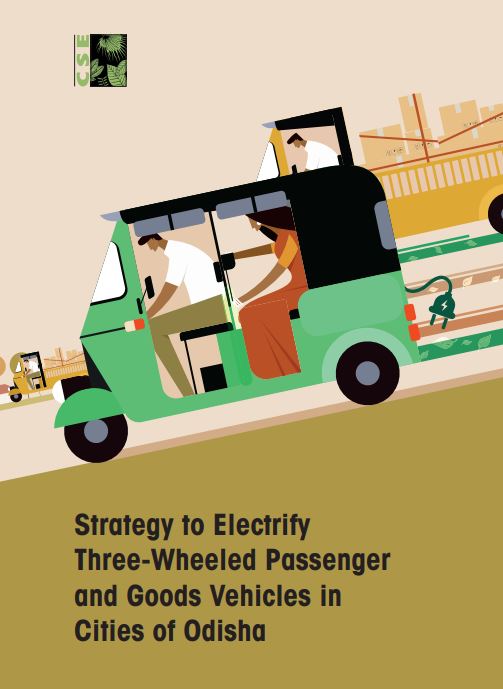
Strategy to Electrify Three-Wheeled Passenger and Goods Vehicles in Cities of Odisha
2022
Author(s): Roychowdhury A, Roy S
This ground-level assessment in the capital region of Odisha bears out the opportunities for accelerated electrification of this segment and the challenges associated with implementation that need to be addressed for rapid transformation.
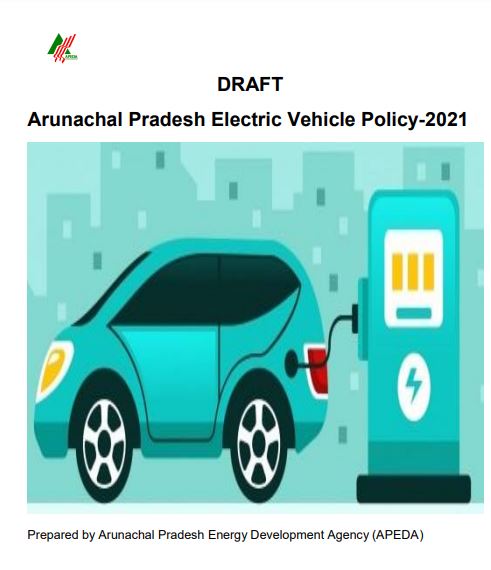
Arunachal Pradesh Electric Vehicle Policy-2021- Draft
2022
Publisher/Organisation: Arunachal Pradesh Energy Development Agency (APEDA)
This Electric Vehicle Policy is framed for Arunachal Pradesh in order to contribute to sustenance of green environment.