

Reports
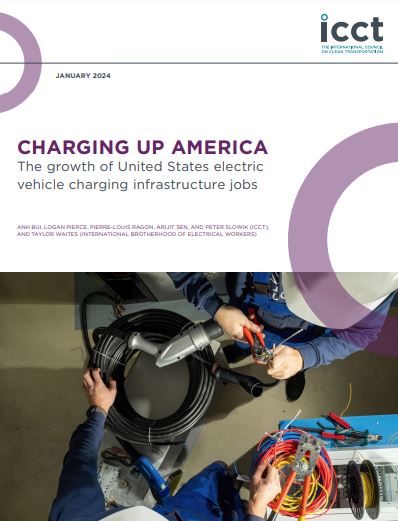
Charging Up America: The Growth of United States Electric Vehicle Charging Infrastructure Jobs
2024
Author(s): Bui A, Pierce L, Ragon P-L, Sen A, Slowik P (ICCT), Waites T (International Brotherhood of Electrical Workers)
This paper projects the number of jobs that will be needed to expand electric light-duty vehicle (LDV) and medium- and heavy-duty vehicle (MHDV) charging infrastructure to meet annual charging needs through 2032.
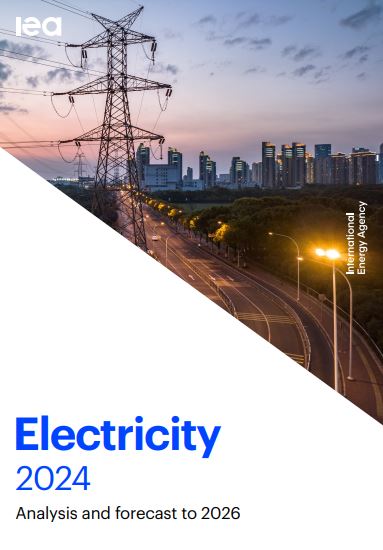
The report offers a deep and comprehensive analysis of recent policies and market developments, and provides forecasts through 2026 for electricity demand, supply and CO2 emissions.

Fugitive and Unburned Methane Emissions from Ships (FUMES): Characterizing Methane Emissions from LNG-fueled Ships Using Drones, Helicopters, and On-board Measurements
2024
Author(s): Comer B, Beecken J, Vermeulen R, Sturrup E, Paschinger P, Osipova L, Gore K, Delahaye A, Verhagen V, Knudsen B, Knudsen J, Verbeek R
The FUMES report, a collaboration between ICCT, Explicit ApS, and TNO, reveals that real-world methane emissions from LNG-fueled ships, including “methane slip” from marine engines, exceed E.U. and IMO assumptions.
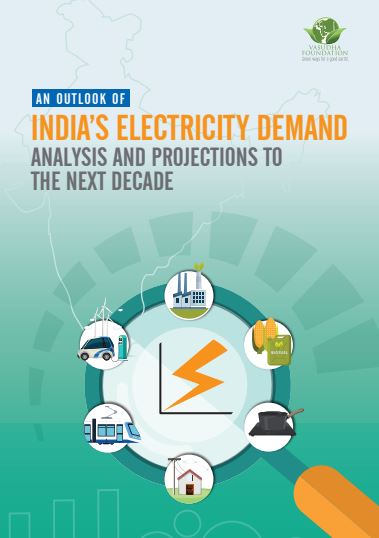
An Outlook of India’s Electricity Demand Analysis and Projections to the Next Decade
2024
Author(s): Pachouri R, Thakare S, Sinha S
This report provides an extensive analysis of electricity demand projections for both national and sub national level over the next decade. The analysis is based on historical data, current trends in electricity consumption, demographic changes, and various economic growth indicators.

Assessment of U.S. Electric Vehicle Charging Needs and Announced Deployment Through 2032
2024
Author(s): Pierce L, Slowik P
Evaluates the projected growth and charging needs of the U.S. BEV fleet through 2032 against the future supply of chargers, based on an analysis of more than 160 announcements of charging infrastructure deployments.
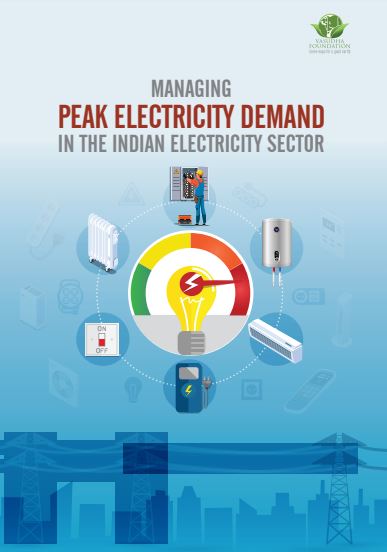
Managing Peak Electricity Demand in the Indian Electricity Sector
2024
Author(s): Pachouri R, Thakare S, Sreehari R, Sinha S
The report showed in recent years, energy and peak deficits have dropped to 0.4 percent and 1.2 percent, respectively, which is a significant improvement from the long-term average of 8 percent and 15 percent, respectively. However, a few states continue to experience deficits due to a lack of supply resources and/or limited grid infrastructure.

Charging up China’s Transition to Electric Vehicles: A dive into China’s Public Charging Infrastructure Deployment and Comparison with Europe and the United States
2024
Author(s): Cui H, Ma R, Liu Y
Explores China’s public charging infrastructure for electric vehicles in comparison with that of Europe and the United States and offers recommendations for further expansion and improvement.

Green Hydrogen for Sustainable Industrial Development: A Policy Toolkit for Developing Countries
2024
Author(s): United Nations Industrial Development Organization (UNIDO), International Renewable Energy Agency (IRENA), German Institute of Development and Sustainability (IDOS)
This report explores the benefits of green hydrogen production in developing countries.

Reducing the Cost of Capital: Strategies to Unlock Clean Energy Investment in Emerging and Developing Economies
2024
Author(s): International Energy Agency
This special report provides detailed insights into the risk factors that affect financing costs across different clean energy sectors in EMDEs and provides recommendations of what can be done to address them.

A Feasibility Study of Electric Bicycles: Case of Manikkal Gram Panchayat, Kerala
2024
Author(s): Ghosh N, Jha A, Jain H, Sood A, Singh R, Gogna C, Kant S, Arora A, Sreekumar N, Alok P
In this study, a detailed survey followed by a demonstration exercise of e-cycles was conducted with Anganwadi, Accredited Social Health Activists (ASHA) and women associated with Self-Help Groups (SHGs). The study aims to assess the potential of e-cycles as an alternative to their current travel modes.