



Research Papers/Articles
Interdisciplinary Analysis of Social Acceptance Regarding Electric Vehicles With a Focus on Charging Infrastructure and Driving Range in Germany
2021
Author(s): Burkert A, Fechtner H, Schmuelling B
Climate change is one of the most pressing issues that humanity is now facing. One of the causes of this phenomenon is the presence of high levels of carbon dioxide (CO2) in the atmosphere. The transportation sector, second only to the energy sector in terms of GHG emissions, emits massive volumes of CO2.

Towards the Future of Sustainable Mobility: Results From a European Survey on (Electric) Powered-Two Wheelers
2021
Author(s): Will S, Luger-Bazinger C, Schmitt M, Zankl C
Personal transport is essential in our society, and the 2020 pandemic has reinforced this situation. At the same time, transportation contributes to local emissions, which need to be reduced in the face of climate change. Changing from vehicles with internal combustion engines to light electric vehicles could be one promising approach.

Efficiency of Light Electric Vehicles in Last Mile Deliveries – Szczecin Case Study
2021
Author(s): Iwan S, Nürnberg M, Jedliński M, Kijewska K
This paper presents the results of the research study aimed at verifying electric vans energy efficiency in real-life conditions, i.e. when delivering courier consignments.

Electric Vehicles: To What Extent Are Environmentally Friendly and Cost Effective? – Comparative Study by European Countries
2021
Author(s): Costa CM, Barbosa JC, Castro H, Gonçalves R, Lanceros-Méndez S
This work presents a comparative study between battery electric vehicles (BEVs) and internal combustion engine vehicles (ICEVs) from different European countries, focusing on two relevant issues: economic viability and ecological impact.

Residential Charging Scheduling of Electric Vehicles in Brazilian Context
2021
Author(s): Sausen JP, Da Rosa Abaide A
This paper presents a methodology to schedule the charging of Electric Vehicles (EVs) to maintain the loading of distribution transformer under the nameplate load while reducing charging costs.
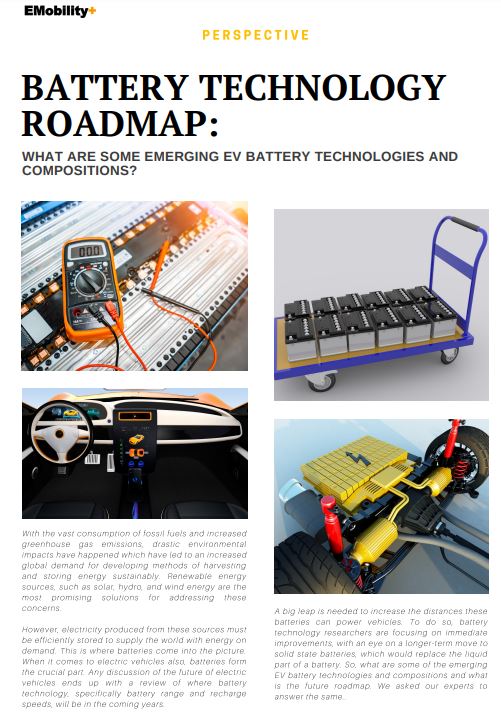
The performance of an electric vehicle (EV) is mainly dependent on a battery and its materials composition. Battery selection is based on performance characteristics, such as energy and power density, life cycle, safety, charging/discharging rate, cost, etc.

Spatial Dimensions of Electric Mobility—Scenarios for Efficient and Fair Diffusion of Electric Vehicles in the Milan Urban Region
2021
Author(s): Pucci P
The main aim of this study is to investigate the spatial pattern of potential demand for electric vehicles in the Milan Urban Region (North Italy), and its relevance in defining diversified and site-based EV policies for promoting a fair transition towards low carbon mobility.

Environmental Implications of the Ongoing Electrification of the UK Light Duty Vehicle Fleet
2021
Author(s): Raugei M, Kamran M, Hutchinson A
The paper presents a holistic perspective life cycle assessment of these two interrelated transitions' environmental implications while also considering an alternative scenario characterized by a gradual shift from traditional private vehicle ownership to shared mobility schemes.
Optimal Sizing of Electric Vehicle Charging Stations Considering Urban Traffic Flow for Smart Cities
2021
Author(s): Campaña M, Inga E, Cárdenas J
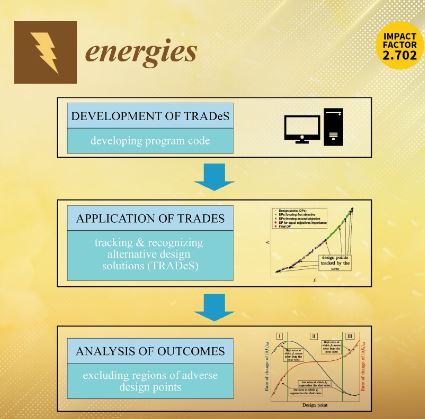
The study developed in this article has a high potential for the development of service providers for the creation of charging infrastructures, and the analysis is based on the study of georeferenced traffic in terms of trajectories, looking at the features of the road network to decide the input variables for the linear optimization model.

Are Shared Electric Scooters Competing with Buses? A Case Study in Indianapolis
2021
Author(s): Luo H, Zhang Z, Gkritza K, Cai H
This study proposes a modeling framework to identify the potential impacts of e-scooter trips on the existing bus system, considering the spatiotemporal availability of bus service.