
Reports

This report captures baseline data, strategies adopted, pilot demonstration and handholding support provided to cities for implementation of projects under Smart City programme for the city of Udaipur.

A Guidance Document on Accelerating Electric Mobility in India
2019
Author(s): World Resources Institute (WRI), Center for Battery Engineering and Electric Vehicles (CBEEV) at IIT Madras
Electric mobility is grabbing attention globally. Leveraging this trend will bring multiple environmental and economic gains for India. Transitioning to electric mobility will require a carefully planned strategy that is comprehensive and cognisant of the local context.
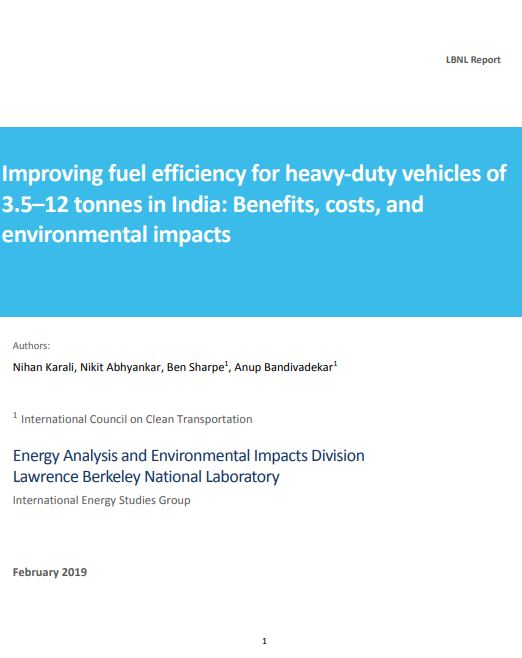
Improving fuel efficiency for heavy-duty vehicles of 3.5–12 tonnes in India: benefits, costs, and environmental impacts
2019
Author(s): Karali N, Abhyankar N, Sharpe B, Bandivadekar A
Examines fuel-saving technologies for new HDVs in India over the next 10 years and explores how the deployment of technologies will impact petroleum consumption and CO2 emissions to 2050
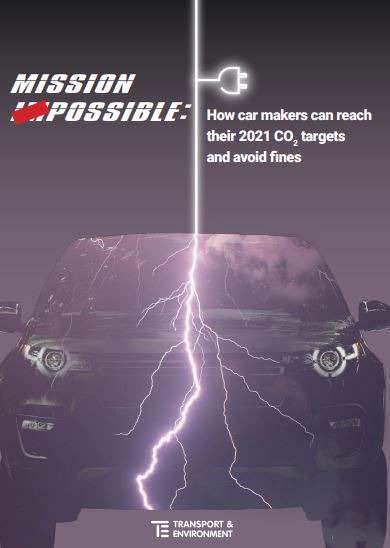
Mission possible: how carmakers can reach their 2021 CO2 targets and avoid fines
2019
Author(s): Transport & Environment
The analysis presented in this report shows that although carmakers have fallen far behind the targets, they can and should be met. The 12-year lead time before the target fully applies has unquestionably been wasted by most carmakers except Toyota and Renault-Nissan. Claims that the fall in diesel sales is the cause of rising emissions are false – it is the rise in SUVs, driven by carmakers aggressive marketing of these vehicles that have been the main driver of rising emissions.

Approaching Faster Adoption of Electric Vehicles in India
2019
Author(s): The Energy and Resources Institute (TERI)
The proposed study aims to develop an understanding of the challenges that are limiting the adoption of electric vehicles in the country and suggest measures to address them.

How to Enable Electric Bus Adoption in Cities Worldwide
2019
Author(s): Xiangyi L, Gorguinpour C, Sclar R, Castellanos S
Large-scale electrification is a necessary step down this road, and bus fleets are an opportunity to make an outsized impact on air pollution and greenhouse gas emissions in dense urban environments.

Barriers to Adopting Electric Buses
2019
Author(s): Ryan S, Gorguinpour C, Castellanos S, Li X
Electric buses (e-buses) can help cities address air quality issues and reduce greenhouse gas emissions (along with a clean grid).

Capacity Building Needs Assessment and Strategy To Promote Low Carbon Development In High Volume Transport For Selected Low-Income And Lower-Middle Income Priority Countries In Africa And South Asia
2019
Author(s): Rogers J
The research documented in this report explores the current state of knowledge of, interest in, and capacity to implement low carbon, high volume transport (LC-HVT) among study participants in a cohort of countries in Africa and South Asia.

Sustainable Transport: A Critical Driver to Achieve the Sustainable Development Goals
2019
Author(s): SLOCAT Partnership
Sustainable transport is a cross-cutting theme in the 2030 Agenda for Sustainable Development. It supports the achievement of at least 8 of the 17 Sustainable Development Goals (SDGs) and makes direct and indirect contributions to at least 13 SDG targets.

An Introductory Guide to Advocacy for the Transport Sector in the Context of the SDGs
2019
Author(s): Koike H
This report was produced by Koike, a participant of the Young Leaders in Sustainable Transport in 2019.