



Knowledge Hub

Heavy-duty zero-emission vehicles: pace and opportunities for a rapid global transition
2022
Author(s): Xie Y, Dallmann T, Muncrief R
This paper reviews and summarizes the latest information on the pace of transition required for the HDV fleet to align with climate targets, the feasibility of such a transition given the latest data on technology availability and cost, potential pathways for adoption in various HDV segments, and high-priority policies and measures that governments would ideally adopt.
Electric Vehicles for Everyone? State, District, and City Level Uptake Patterns in Germany
2022
Author(s): Wappelhorst S, Shen C, Bieker G, Morrison K
This study presents how BEV and PHEV registration shares vary betw...
EVs Are Fast Winning Over the Hesitant Buyer. Better Charging Infra Will Accelerate It Further
2022
Author(s): Shankar A.
To save mankind from the impending disaster of global warming, the transition of transport away from fossil fuels is critical. The International Energy Agency (IEA) Report of last year on the feasible pathway to net zero by 2050 and restricting global warming to 1.5 degrees envisages the complete switchover in the world to EVs by 2035 and of electricity systems phasing out fossil fuel use around the same time.
Overview of Utility Transportation Electrification Plans Best Practices and Good Examples from Across the Country
2022
Author(s): Kressig A, Kapiloff D, Overturf E
The document identifies the different categories of investment and programs in a typical Transportation Electrification plan, describes innovative programs approved across the U.S (with accompanying links), and proposes best practices to maximize program participation and public benefits.
Paving the Way: Enabling Equitable Electric Vehicle Shared Mobility Programs
2022
Author(s): Valova R
The study presents and review case studies of five programs that feature public-private partnerships and utility support in United States of America. Based on these case studies, the report provides recommendations to enable the build-out of more equitable EV shared mobility programs.
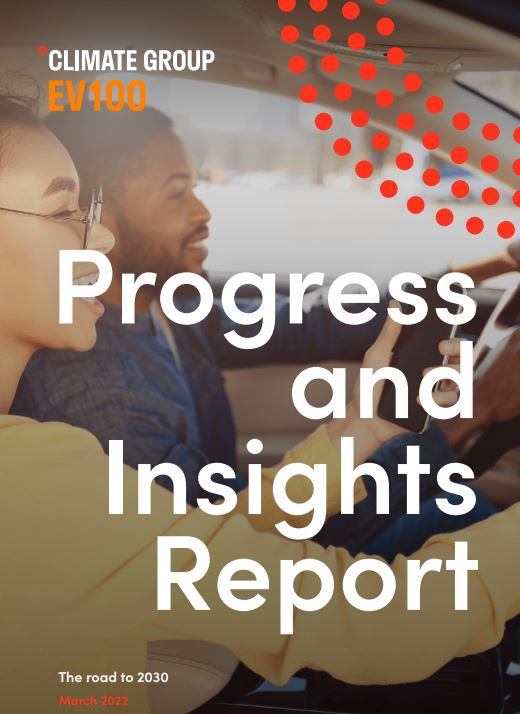
EV100 Progress and Insights Report 2022: the road to 2030
2022
Author(s): The Climate Group
This case study shows despite EV100 members’ ambition and action, members have reported that a lack of charging infrastructure, the upfront costs of EVs and the limited variety of vehicles remain significant barriers to transitioning their fleets to electric.
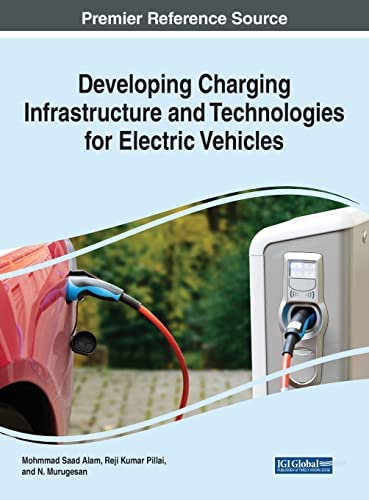
Developing Charging Infrastructure and Technologies for Electric Vehicles
2022
Author(s): Alam M S, Pillai R K, Murugesan N
This book identifies potential research directions and technologies that facilitate insights on EV charging in various charging places such as smart home charging, parking EV charging, and charging stations
Going Electric: Environmental and Welfare Impacts of Urban Ground and Air Transport
2022
Author(s): Straubinger A, Verhoef E T, de Groot HLF,
Electric mobility is often seen as an essential part of the solution, as en-route emissions immediately go down. This is especially true in urban environments, where technological solutions for electric transport are already available.
The authors analyzed two hydrogen production pathways that could have significant potential in India: green hydrogen produced via water electrolysis powered by solar electricity and “blue” hydrogen produced from natural gas combined with carbon capture and storage. The study assumed the hydrogen is delivered via pipeline.
Geofence Planning For Electric Scooters
2022
Author(s): Liazos A, Iliopoulou C, Kepaptsoglou K, Bakogiannis E
E-scooters have emerged in recent years as an innovative and user-friendly transportation mode in urban areas worldwide. These systems offer short-term rental of vehicles with various return locations, thereby providing mobility when public transport or vehicle ownership are not a sufficient option.