
Reports
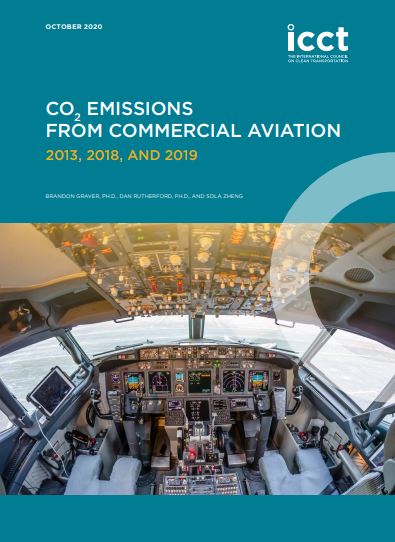
CO2 emissions from commercial aviation: 2013, 2018, and 2019
2020
Author(s): Graver B, Rutherford D, Sola Zheng S
Presents a bottom-up, global carbon dioxide emissions inventory for three years of commercial aviation and estimates emissions and carbon intensity by both seating class and aircraft class.
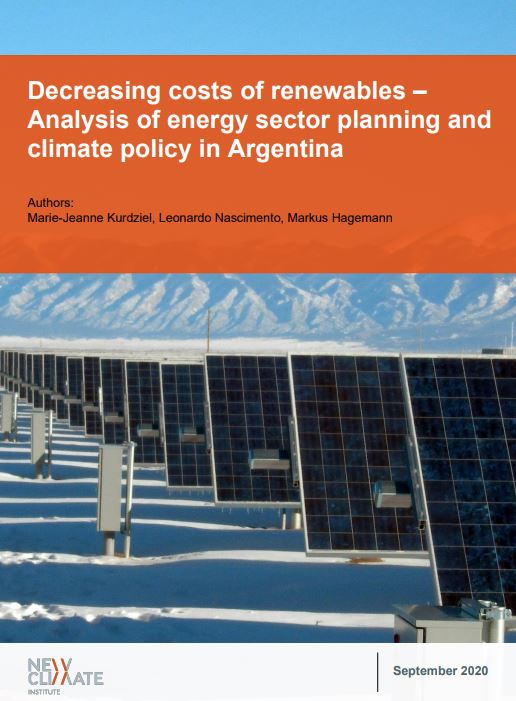
Decreasing costs of renewables: analysis of energy sector planning and climate policy in Argentina
2020
Author(s): Kurdziel MJ, Nascimento L, Hagemann M
The report study shows that the current situation in Argentina may compromise not only the successful development of the renewable energy sector, but also the country’s potential to raise its climate ambition and to ensure overall socio-economic development. Against this backdrop, it is important to enhance transparent and effective planning in the energy sector that is based on robust tools and methods and results in the formulation of realistic targets.
RMI, RMI India, and NITI Aayog are collaborating with electricity distribution companies (discoms) in Haryana, a state in North India, through the Lighthouse Discom Programme to identify, evaluate, plan, and implement cost-effective examples of clean energy technologies.
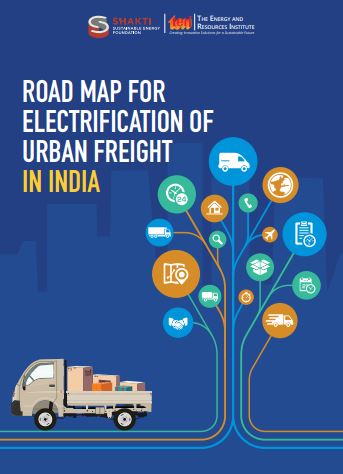
Road Map for Electrification of Urban Freight in India (Part-II)
2020
Author(s): The Energy and Resources Institute (TERI)
This study looks into the case cities – Delhi, Bengaluru and Surat, and sub-sectors in the urban freight sectors. The sub-sectors studied in this report are (i) delivery of posts and parcels by India Post in Bengaluru, (ii) organized service providers undertaking fleet level operations in Bengaluru, (iii) transport service providers for the textile industry in Surat, (iv) management and movement of solid waste in Surat, and (v) distribution of fruits and vegetables originating from the Azadpur and Okhla wholesale markets in Delhi.
Heavy-duty electric trucks are a recognised technology, capable of reducing the transportation sector’s greenhouse gas emissions. This first-of-its-kind report proposes a framework for prioritising US and Canadian regions for electric truck deployments based on differences in key enabling traits.
Road Map for Electrification of Urban Freight in India (Part-I)
2020
Author(s): The Energy and Resources Institute (TERI)
This report looked into the definition of urban freight and the types of vehicles that are deployed for the purpose.
National Urban Mobility Policies & Investment Programmes: Guidelines
2020
Author(s): Eckermann A, Mettke C, Fung Franco J, Lah O, Werland S, Kodukula S, Bongardt D, Eichhorst U, Würtenberge L
The MobiliseYourCity Partnership Guidelines for National Urban Mobility Policies and Investment Programmes (NUMPs) guide national governments and those working with them lay out an ambitiuos and realistic plan for sustainable urban mobility.
Projected Costs of Generating Electricity
2020
Author(s): International Energy Agency, OECD Nuclear Energy Agency
This report includes cost data on power generation from natural gas, coal, nuclear, and a broad range of renewable technologies. For the first time, information on the costs of storage technologies, the long-term operation of nuclear power plants and fuel cells is also included.
Preparing Distribution Utilities for Utility Scale Storage and Electric Vehicles: A Novel Analytical Framework
2020
Author(s): Nagarajan A, Ghosh S, Jain AK, Akar S, Bryce R, Emmanuel M, Remo T, Latif A, Palchak D, Cochran J, Ranjan A, Nagpal N
This report discusses the implications of increases in distributed energy resources, battery energy storage systems, and electric vehicles in India in the coming years. These emerging technologies can pose challenges to distribution utilities, forcing overhauls in planning and operational practices. The authors discuss how these technologies can also create challenges in power system infrastructure planning if not properly integrated.

Optimise Supply Chains to Manage Freight Transport Emissions for Low Carbon & Sustainable Mobility in India
2020
Author(s): Federation of Indian Chambers of Commerce and Industry (FICCI)
To secure a significant improvement in overall productivity and efficiency of the system, future development of the network should aim to secure a better integration of the various modes of transport.