



Reports
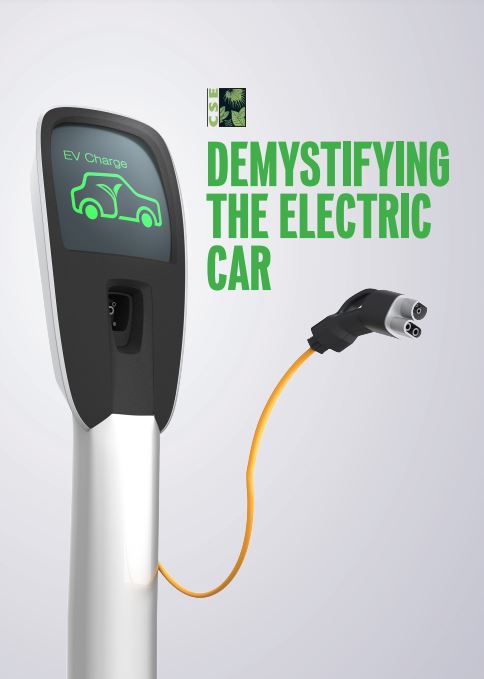
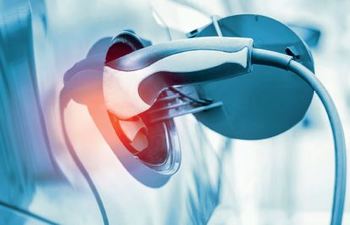
Should we buy an electric car? New technologies often tend to get mired in a web of misinformation and myths due to an information deficit environment. In this publication, Centre for Science and Environment (CSE) answers questions about the electric car that is used for personal mobility, in the hope that this information will dispel myths and encourage consumers to buy more e-cars.
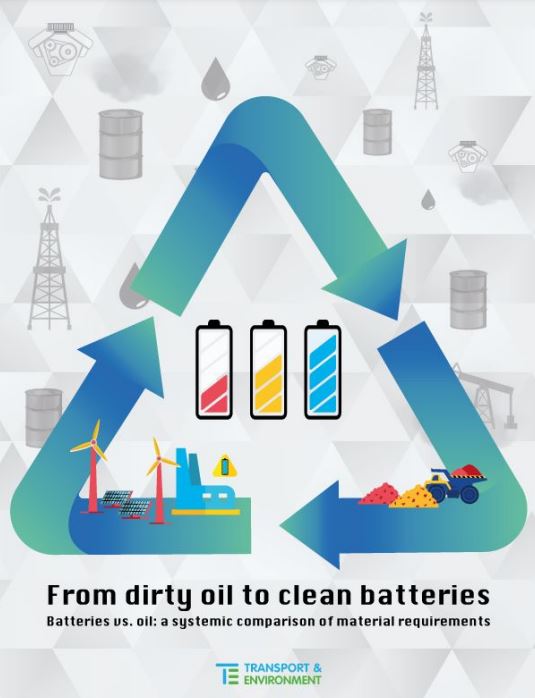
From dirty oil to clean batteries- batteries vs. oil: a systemic comparison of material requirements
2021
Author(s): Mathieu L, Mattea C
An electric vehicle (EV) battery uses up just 30kg of raw materials with recycling compared to the 17,000 litres of petrol burned by the average car. That’s according to a new study that shows Europe’s current crude oil dependency far outweighs its need for battery raw materials. The gap is set to increase further as technological advancements drive down the amount of lithium required to make an EV battery by half over the next decade. The amount of cobalt required will drop by more than three-quarters and nickel by around a fifth.
Accelerating to zero: speeding up the decarbonization of heavy-duty vehicles in the EU
2021
Author(s): Xylia M, Gong J, Olsson O, Johnson FX
The objective of this report is to analyse the current status and outlook for decarbonization of the heavy-duty vehicle sector in the EU. The authors focus on developments over the coming 10 years, and how much the sector’s emissions could be reduced through energy efficiency improvements, electrification, and increased biofuel deployment.
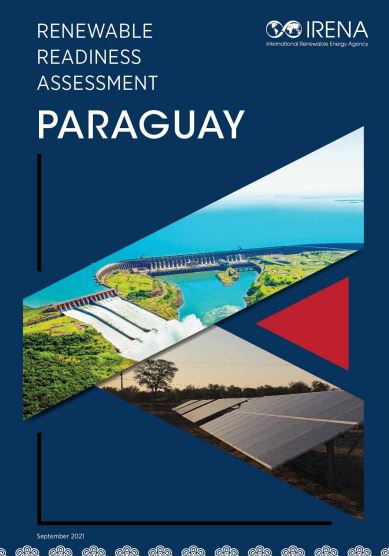
Renewable readiness assessment: Paraguay
2021
Author(s): International Renewable Energy Agency (IRENA)
This report examines Paraguay’s energy institutions and their governance, long-term energy planning practices, and the socio-economic benefits of promoting renewable and low-carbon technologies in the end-use sectors. The RRA process was conducted in synergy with the country’s revision of its National Determined Contribution (NDC). The resulting report highlights the strong link between diversifying the energy mix, scaling up renewable energy use, and promoting low-carbon technologies such as green hydrogen and electric vehicles, alongside climate action.

Seven transformations for more equitable and sustainable cities
2021
Author(s): Mahendra A, King R, Du J, Dasgupta A, Beard VA, Kallergis A, Schalch K
Synthesizing six years of research, this culmination of the World Resources Report: Towards a More Equal City series documents how prioritizing more equitable access to core urban services can not only improve life for billions of marginalized people but generate economic and environmental benefits for everyone.

State of climate action 2021: systems transformations required to limit global warming to 1.5°c
2021
Author(s): Boehm S., et al
Transformations must occur across every sector at far faster pace than recent trends to keep the window open to achieve the Paris Agreement’s goal to limit global warming to 1.5°C, according to this Systems Change Lab report authored by the UN High-Level Climate Champions, Climate Action Tracker, ClimateWorks Foundation, Bezos Earth Fund and World Resources Institute.

Powering a carbon-free Hong Kong: pathways towards a net-zero emissions power system for Hong Kong
2021
Author(s): Wen X, Jiang X, Fong WK, Ding H, Lu L, Chan L, Sawhney S
This report is one of a number of sectoral reports under the Hong Kong 2050 Is Now initiative examining possible pathways to decarbonisation. It evaluates potential decarbonised power technologies and develops five energy-mix scenarios involving different technological combinations. These scenarios consider the economic, social, and environmental impact of building a decarbonised power system.

India: Transforming to a Net-Zero Emissions Energy System
2021
Author(s): The Energy and Resources Institute (TERI), Shell
In this report, TERI and Shell have evaluated India’s current options and limits across each of the energy sectors and sub-sectors and assessed the technology and policy options that can help the country accelerate towards the goal of net-zero emissions by 2050.

Why Regional and Long-Haul Trucks are Primed for Electrification Now
2021
Author(s): Phadke A, Khandekar A, Abhyankar N, Wooley D, Rajagopa D
Zero emission freight trucks are needed to both improve public health and reduce global greenhouse gas emissions but at the same time are generally believed to be uneconomical. However, recent dramatic declines in battery prices and improvement in their energy density have created opportunities for battery-electric trucking today that were seldom anticipated just a few years ago.
The E-Mobility Index, now in its tenth year, provides a regular overview of the global automotive industry.