Case Study
This case study uses the 5-step method from Ashby et al., 2015 to examine the sustainable development of an electric vehicle. The objectives, stakeholders, facts, analysis, and reflection of this engineering design challenges are examined.

The case study highlighted that despite a year of turmoil and uncertainty due to COVID, the electric vehicle (EV) transition has been growing at speed. With companies making and acting on ambitious commitments and with technology making headway, it is finally time to say the EV revolution is here.

Steep Climb Ahead: How Fleet Managers Can Prepare for the Coming Wave of Electrified Vehicles
2021
Author(s): Daniels L, Nelder C
The study is based on RMI’s survey of 91 fleet managers operating large fleets, as well as 18 in-depth interviews conducted with fleet managers representing a cross-section of fleet types. The report also explores the current landscape of electric vehicles and charging infrastructure, and identifies what will be required to scale up EV adoption.

Braving the Storm Des Moines, IA: City Fleet EV Deployment in Cold Weather
2021
Author(s): Electrification Coalition
This case study released by the Electrification Coalition highlights the City of Des Moines, Iowa, following Des Moines’ journey to reducing emissions and deploying EVs in a cold climate.

This presentation by the International Transport Forum (ITF) is an attempt to check this hypothesis that "Lime riders save more than 699,786 gallons of gas equivalent to taking 1,320 passenger vehicles off the road for a year" via analysing the case of Paris through surveys in order to estimate their mobility patterns.

The case study shows that a lack of EV supply is the biggest barrier to faster progress for 79% of EV100 members up by a third from 2019.
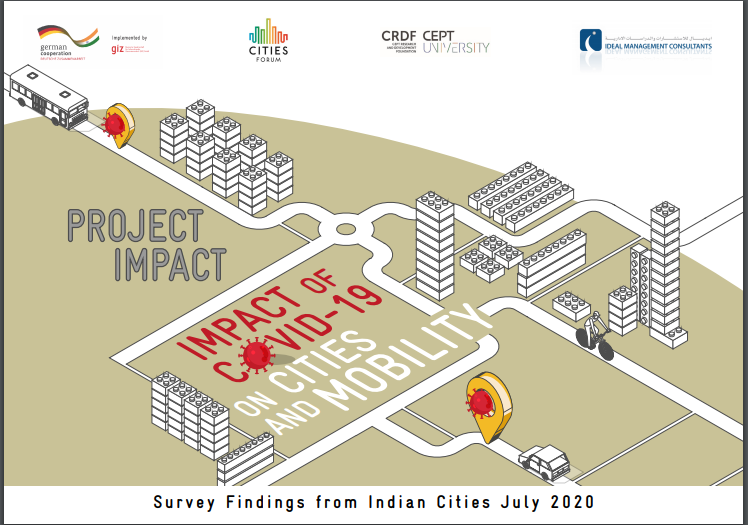
Impact of COVID-19 on Cities and Mobility
2020
Author(s): Gopinath A, Kaushik S, Mahalingam R, Sinha S
This report collates survey findings from India based policy makers, subject matter experts, researchers and professionals on likely changes in cities and mobility as a result of COVID-19.

Impacts of COVID-19 on Transport in Morocco
2020
Author(s): Deutsche Gesellschaft für Internationale Zusammenarbeit (GIZ) GmbH
This report summarises the results of a sector survey, launched by the Moroccan Ministry of Equipment, Transport, Logistics and Water (METLE) and the Sustainable Mobility Platform (PMD) on the theme “Road Transport and Covid-19”.
This document describes examples of how state governments and their partners across the United States are working on improving equitable access to light-duty electric vehicle (EV) mobility in low- and moderate-income (LMI) communities.

This study is first-of-its-kind research to inform best practices at the intersection of energy policy and social assistance to protect very poor, vulnerable and marginalised people. The India case study focuses on four major schemes within the ambit of LPG Programme: Pratyash Hanstantrit Labh (PaHaL) or the Direct Benefit Transfer of LPG Subsidy (DBTL), ‘Give it Up’ Campaign, Pradhan Mantri Ujjwala Yojana (PMUY), and Unified Guidelines for Selection of LPG distributorships.