



Knowledge Hub

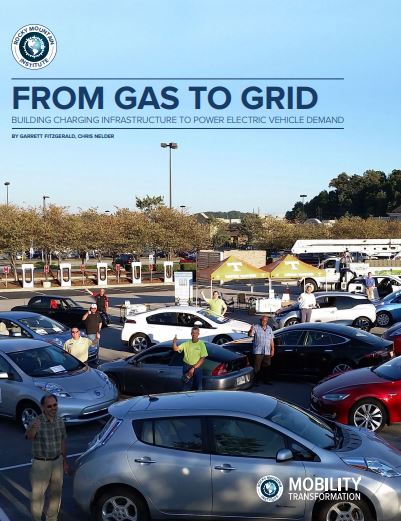
In order to keep the vehicle electrification revolution moving, each U.S. state needs to begin to grapple now with how to offer a favourable regulatory landscape, develop appropriate guidance and incentives for ownership of charging infrastructure, plan for chargers that will be well-used and cost-effective, and ensure that all segments of society will have access to clean, electric transportation options.
Voluntary National Reviews (VNRs) Offer Opportunities for Ambitious Action for Sustainable Transport
2017
Author(s): SLOCAT Partnership
Since the first HLPF (High-level Political Forum in 2016, the SLoCaT continued to track the references to transport in the 47 VNRs submitted to HLPF in 2018.
This presentation by Kate Blumberg outlines the health assessment of the on-road sector for Mexico while analysing the potential benefits of on-road vehicle standards in order to reduce the impact on air pollution and mortality.
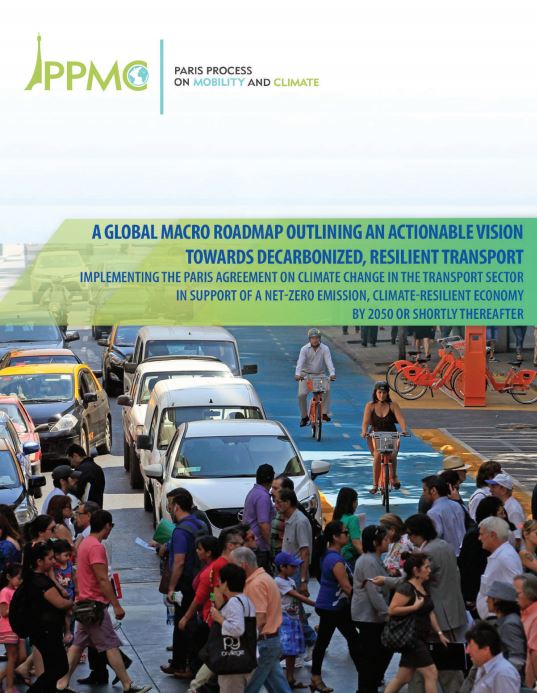
A Global Macro Roadmap Outlining an Actionable Vision towards Decarbonized, Resilient Transport
2017
Author(s): SLOCAT Partnership
The New Urban Agenda and the Paris Agreement on Climate Change have set clearer long-term goals for us all to improve human well-being, and have added a new level of urgency to the development and implementation of a comprehensive transformation strategy in the transport sector.

India is at a critical juncture in its infrastructure, energy, and mobility development. The nation has seen a 10 percent annual increase in vehicles registrations over the last decade and is set to surpass Germany as the world’s fourth-largest car market by domestic sales by the end of 2017.
Feebates—market-based, revenue-neutral, and size-neutral—can act as an important policy lever in support of India’s “leapfrog” vision of an electric, shared, and connected mobility system by incentivizing the production and use of clean vehicles, according to a new report.
Expanding Access to Electric Mobility in the United States
2017
Author(s): Slowik P, Nicholas M
This briefing summarizes policies and actions that are expanding access to electric transportation in the United States. It includes practices that support electric vehicle adoption and broaden awareness about, and access to, electric mobility.
The Carbon-Free City Handbook helps city staff implement climate policies and actions that resolutely place their communities on an aggressive path toward sustainable, low-carbon economies.

Study of Hybrid Electric and Fuel Cell Vehicle Architecture For Improvisation of Energy Efficiency and Drivability Using Parallel Computing Based Control System Supported with Multilevel Inverter Configuration
2017
Author(s): Ramdasi Sushil S
.