



Knowledge Hub

Taking Stock of G20 Sectoral Ambition on Decarbonising Transport
2018
Author(s): Agora Verkehrswende
Presenting the main conclusions of the report “Towards Decarbonising Transport – Taking Stock of G20 Sectoral Ambition” that has been released at COP23.
The Future Cost of Electricity-Based Synthetic Fuels
2018
Author(s): Agora Verkehrswende
Webinar with Dr. Matthias Deutsch (Agora Energiewende) and Dr. Urs Maier (Agora Verkehrswende)
Nordic EV outlook 2018: insights from leaders in electric mobility
2018
Author(s): International Energy Agency, Nordic Energy Research
The report assesses the current status of the electric car market, the deployment of charging infrastructure, and the integration with the electricity grid at country level. It analyses the role of European, national, and local policy frameworks in supporting these developments. The analysis also provides insights on consumer behaviour and includes an outlook on the progress of electric mobility in the Nordic region up to 2030. NEVO 2018 has been developed in co-operation between the International Energy Agency (IEA) and Nordic Energy Research.
Transition to all-electric public transportation: energy resource assessment
2018
Author(s): Center for Study of Science, Technology and Policy (CSTEP)
Large-scale penetration of EV comes with a plethora of sectoral planning challenges and will require coordinated planning between the transport, urban planning and power sectors. This report examines the charging energy requirement in order to transition to an all electric transportation sector (4-wheelers and buses), by 2030.
Low-carbon cars in Europe: a socio-economic assessment
2018
Author(s): European Climate Foundation (ECF)
This report assesses the economic costs and benefits of decarbonising passenger cars in Europe. A scenario approach has been developed to envisage various possible vehicle technology futures, and then economic modelling has been applied to assess impacts. This technical report provides details about the charging infrastructure requirements, technology costs and economic impacts of the transition to low-carbon mobility.
Waiting for the green light: transport solutions to climate change
2018
Author(s): Climate Council
This report marks the beginning of a new flagship project for the Climate Council aimed at cutting greenhouse gas pollution levels from the transport sector - Australia’s second largest source of greenhouse gas pollution. Australia’s greenhouse gas emissions are rising and are projected to continue increasing in the absence of credible and comprehensive climate and energy policy tackling all key sectors: electricity, transport, stationary energy, agriculture, fugitive emissions, industrial processes, waste and land use.
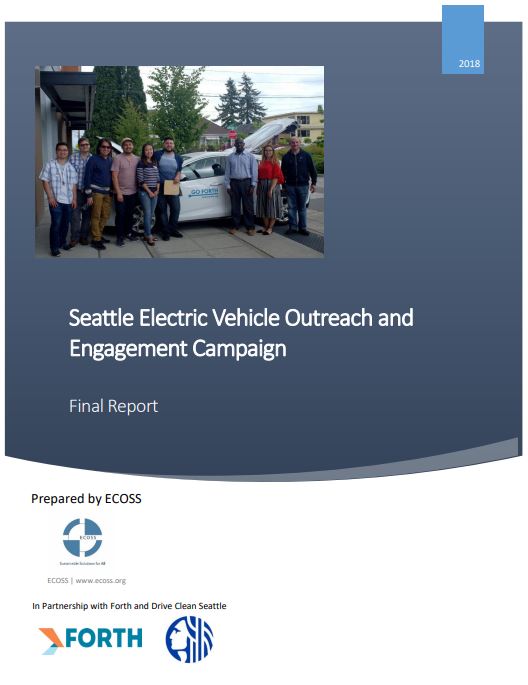
This project carried out a clean mobility outreach and awareness campaign in underserved communities in the Greater Seattle region. ECOSS supported the projec engaging with members of Latino/a, Som...
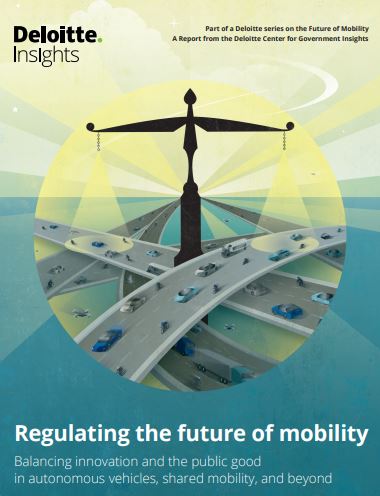
Regulating the Future of Mobility
2018
Author(s): Pankratz Derek M, Nuttal K, Eggers William D, Turley M
The new mobility ecosystem has the potential to transform daily life for millions of people and countless businesses. And every player shares responsibility for making that transformation beneficial rather than detrimental.
Action plan for clean transportation: report of the task force on clean transportation
2018
Author(s): Confederation of Indian Industry (CII), NITI Aayog
The report made a case for preparing a long term vision for intra-city electric buses and suggested removal of all permit requirements for electric vehicles (EVs) as they are environment friendly and the government needs to promote them.
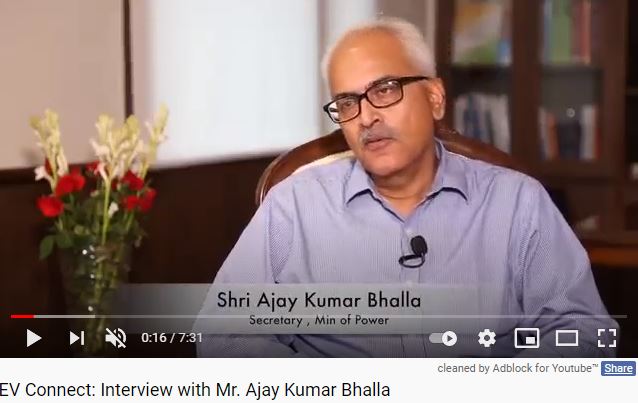
This interview was conducted by The World Resources Institute (WRI) with Mr. Ajay Kumar Bhalla, Secretary, Ministry of Power, Government of India, on the issues related to charging infrastructure and the way forward.