



Knowledge Hub
Electric Vehicle Conductive Charging System Part 2 Plugs, Socket-Outlets, Vehicle Connectors, and Vehicle Inlets Section 1 General requirements
2020
Publisher/Organisation: Bureau of Indian Standards (BIS)
This standard (Part 2/Sec 1) is applicable to plugs, socket-outlets, vehicle connectors, vehicle inlets and cable assemblies for electric vehicles, herein referred to as accessories, intended for use in conductive charging systems which incorporate control means.

Technological and Environmental Sustainability of Battery-Powered Electric Vehicles
2020
Author(s): Yang F
The objective of this dissertation is to provide a robust analytical approach for supporting policymaking in prioritizing EV deployment to achieve both the environmental and economic goals. These findings help understanding of the spatiotemporal application of EV automotive and battery technologies from both the economic and techno perspective.
This thesis models the charging of electric vehicles using a Markov Decision Process and uses Reinforcement Learning solution models to derive an intelligent charging algorithm. This algorithm can take concepts such as electricity price, battery degradation and electrical losses into account in order to minimise the overall operational costs, and add more value to the use of electric vehicles.
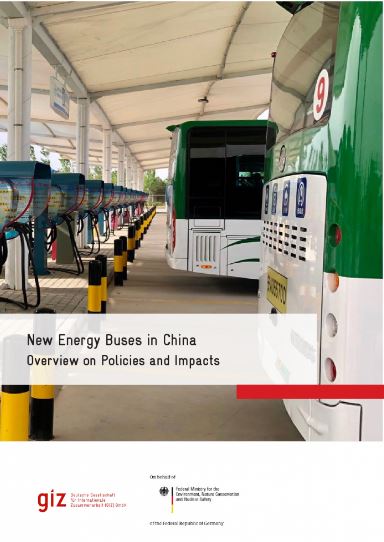
Electro-mobility and New Energy Vehicles (NEV) are important elements of the Chinese government’s strategy to promote climate-friendly and sustainable transport. In particular, the promotion of public transport and the adoption of New Energy Buses play a central role in realizing those ambitions.
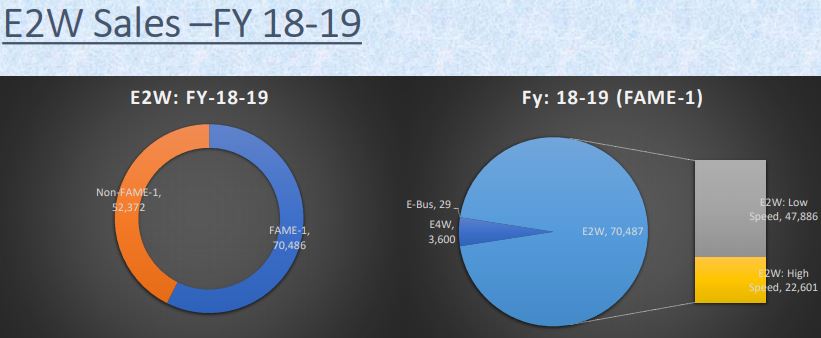
E2W Sales - FY 18-19
2020
Author(s): Society Of Manufacturers Of Electric Vehicles (SMEV)
This infographic shows the Electric 2-Wheeler sales for the year 2018-19.

The New E.ON on the German Electricity Market – Competitive Effects of the Innogy Takeover
2020
Author(s): Stöhr A, Budzinski O, Jasper J
The deal between Germany's two largest energy suppliers RWE and E.ON to exchange various business units, which was approved in mid-September 2019, will significantly restructure the German energy market and lead to a dominant competitor in both business fields — energy generation and distribution.
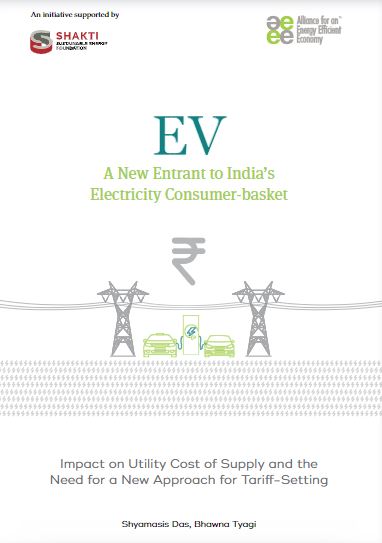
Electrification of vehicles in India is still at its early stage. Both the battery electric vehicles (BEVs) and plugin hybrid electric vehicles (PHEVs) only contribute to 0.06% of India's total car market through 2017.
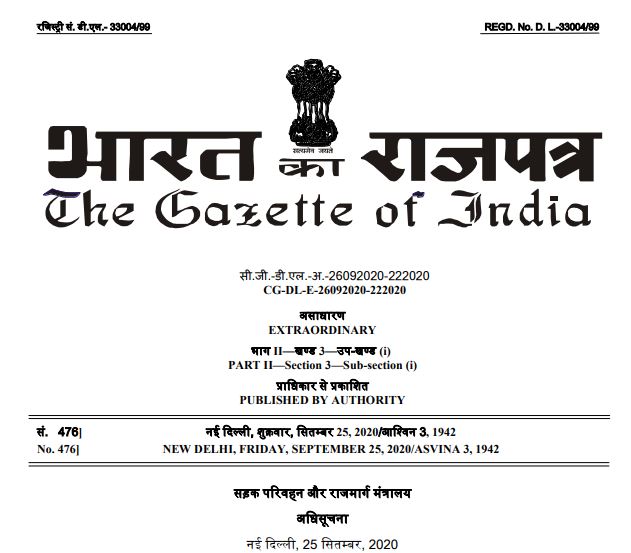
Hydrogen CNG, Notification
2020
Publisher/Organisation: Ministry of Road Transport & Highways, Government of India
This notification was further to amend the Central Motor Vehicles Rules, 1989 with the insertion of Specifications for Hydrogen Enriched Compressed Natural Gas (HCNG) and The CNG/Bio-CNG/HCNG Vehicles by the Ministry of Road Transport & Highways, Government of India on 25th September 2020.
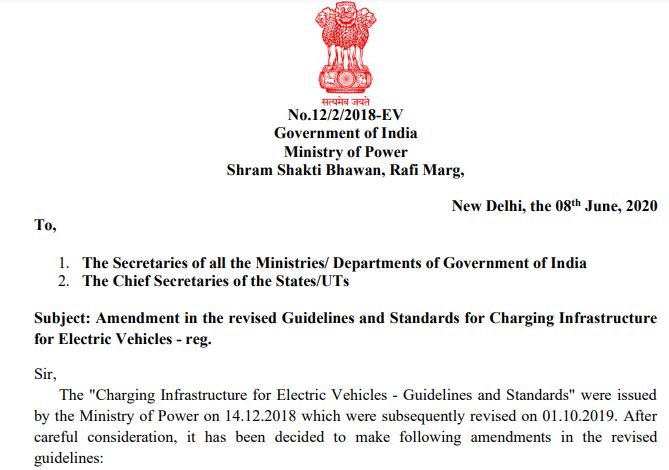
Amendment in the revised Guidelines and Standards for Charging Infrastructure for Electric Vehicles
2020
Publisher/Organisation: Ministry of Power, Government of India
The "Charging Infrastructure for Electric Vehicles - Guidelines and Standards" were issued by the Ministry of Power on 14.12.2018 which were subsequently revised on 01.10.2019. After careful consideration, a few amendments have been made in the revised guidelines which were notified through this document.
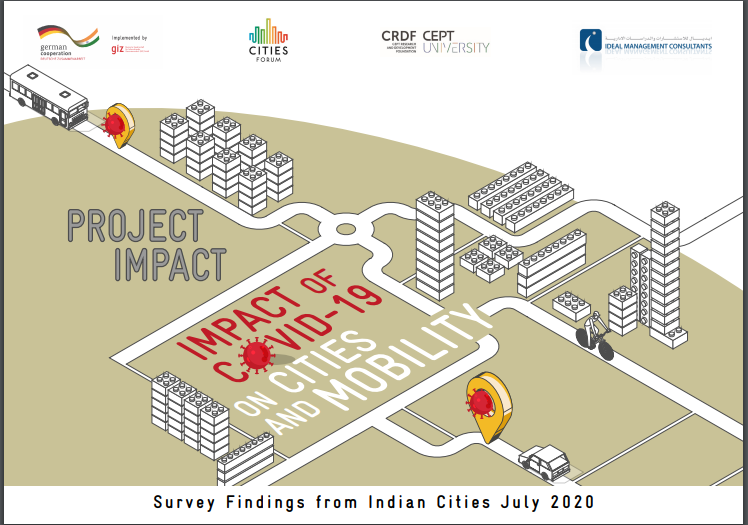
Impact of COVID-19 on Cities and Mobility
2020
Author(s): Gopinath A, Kaushik S, Mahalingam R, Sinha S
This report collates survey findings from India based policy makers, subject matter experts, researchers and professionals on likely changes in cities and mobility as a result of COVID-19.