



Knowledge Hub
National Urban Mobility Policies & Investment Programmes: Guidelines
2020
Author(s): Eckermann A, Mettke C, Fung Franco J, Lah O, Werland S, Kodukula S, Bongardt D, Eichhorst U, Würtenberge L
The MobiliseYourCity Partnership Guidelines for National Urban Mobility Policies and Investment Programmes (NUMPs) guide national governments and those working with them lay out an ambitiuos and realistic plan for sustainable urban mobility.
Used vehicles and the environment: a global overview of used light duty vehicles - flow, scale and regulation
2020
Author(s): United Nations Environment Programme
The study shows that the global fleet of light duty vehicles (LDVs) is set to at least double by 2050. Some 90 per cent of this growth will take place in non-OECD countries which import a large number of used vehicles. Despite the critical role they play in road accidents, air pollution, and efforts to mitigate climate change there are currently no regional or global agreements on the trade and flow in used vehicles.
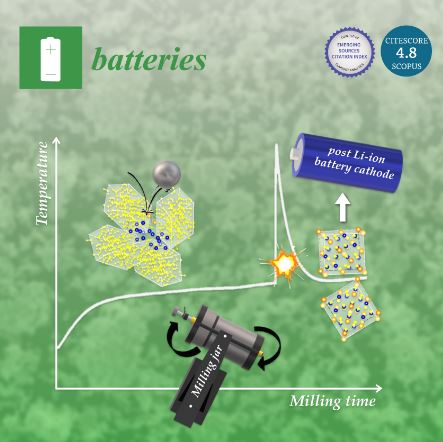
Behavior of Battery Metals Lithium, Cobalt, Manganese and Lanthanum in Black Copper Smelting
2020
Author(s): Danczak A, Klemettinen L, Kurhila M, Taskinen P, Lindberg D, Jokilaakso A
The aim of this study is to investigate the suitability of secondary copper smelting process for recycling of battery metals lithium, cobalt, manganese, and cobalt.
This fact sheet documents the state of electrification in the vehicle fleet and in new registrations in Germany. It analyzes what role commercial fleets can play in the transition to electromobility.
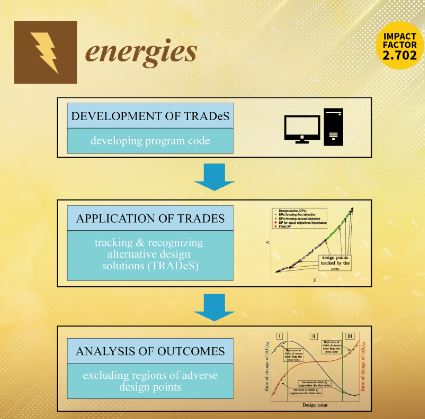
Battery Models for Battery Powered Applications: A Comparative Study
2020
Author(s): Campagna N, Castiglia V, Miceli R, Mastromauro RA, Spataro C, Trapanese M, Viola F
The aim of this work was to identify three easy-to-implement battery models, suitable for the early stages simulation and design of a battery-powered system.

A New Solution to Profit Based Unit Commitment Problem Considering PEVs/BEVs and Renewable Energy Sources
2020
Author(s): Nandi A, Kamboj VK
The proposed research work focuses on the mathematical formulation of profit based unit commitment problem of realistic power system considering the impact of battery electric vehicles, hybrid electric vehicles and plug in electric vehicles and its solution using Intensify Harris Hawks Optimizer.
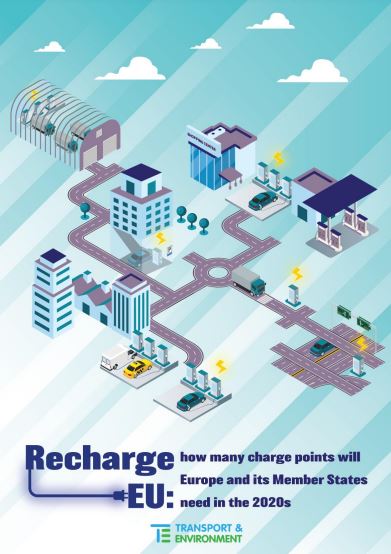
Recharge EU: how many charge points will Europe and its Member States need in the 2020s
2020
Author(s): Transport & Environment
This report outlines Transport & Environment's charging masterplan for Europe, including both the numbers of public chargers needed and the funding mechanisms to nudge the market in the right direction. A new EU policy framework for alternative fuels infrastructure (AFID) and the funding mechanisms currently discussed in the European Green Deal are the two cornerstones to deliver an ambitious EU recharging infrastructure masterplan.
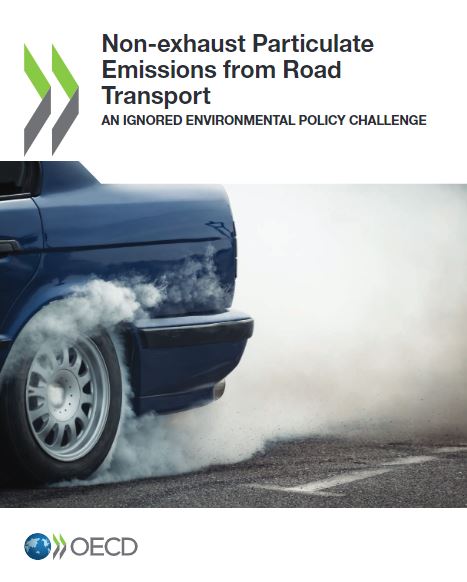
Non-exhaust particulate emissions from road transport: an ignored environmental policy challenge
2020
Author(s): Organisation for Economic Co-operation and Development
This report synthesizes the current state of knowledge about the nature, causes, and consequences of non-exhaust particulate emissions. It also projects how particulate matter emissions from non-exhaust sources may evolve in future years and reflects on policy instrument mixes that can address this largely ignored environmental issue.
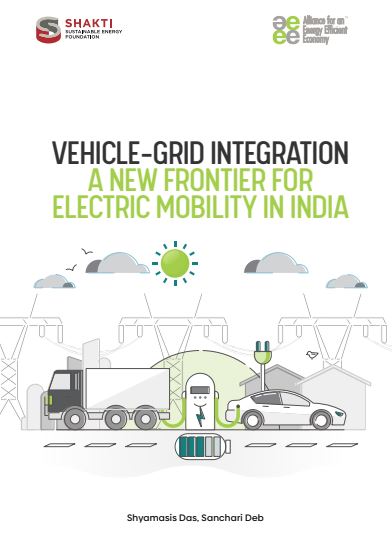
Vehicle-grid integration: a new frontier for electric mobility in India
2020
Author(s): Das S, Deb S
This study aims to present the evolving concept of VGI and its different elements and analyse the feasibility of its implementation in the Indian context. It also provides a roadmap for VGI implementation in India by taking into account the domestic electric vehicle ecosystem
Unlocking the economic potential of rooftop solar PV in India
2020
Author(s): International Energy Agency
This report is based on the insights of the workshop’s participants, supplemented by the outcome of additional analysis by IEA and CEEW. It aims to answer six key questions regarding the acceleration of RTS expansion in India, and offers detailed policy options, business solutions and administrative modifications for the rapid deployment of RTS. Most of the proposed solutions could accelerate the deployment of RTS in the next one to two years, and do not require the implementation of structural changes in the central or state regulatory frameworks.