



Knowledge Hub
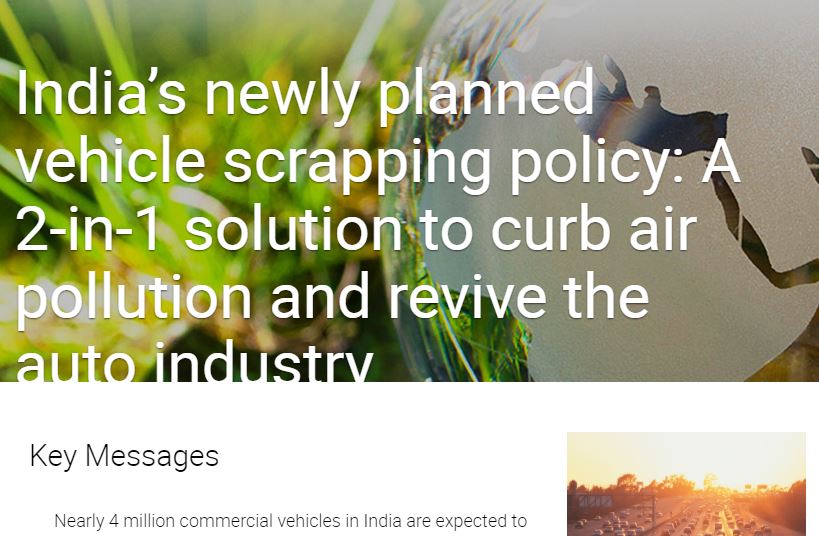
Nearly 4 million commercial vehicles in India are expected to ride into the sunset soon. The much awaited vehicle scrappage policy, expected to be notified shortly by the Ministry of Road Transport and Highways (MoRTH), aims to scrap older commercial (more than 15 years) and private vehicles (more than 20 years).
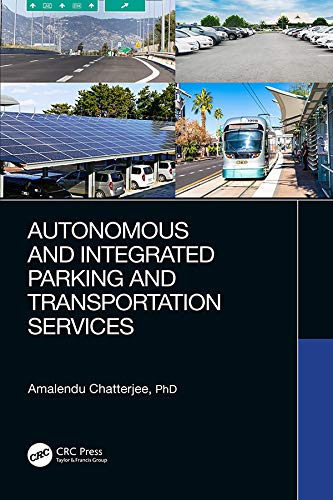
In this book, the author outlines a Robust Web Parking, Truck and Transportation Portal (RWPTTP) for integrating parking and transportation services – a revolutionary approach in contrast to incremental change for managing traffic congestion.

Renewable Energy Generation and Impacts on E-Mobility
2020
Author(s): Sree Lakshmi G, Rubanenko O, Hunko I
By 2050, electricity will become the central energy barrier which increases its consumption from 20% to 50%, doubling the gross electric consumption. This paper gives information about Renewable Energy Generation and its impacts on E-Mobility.
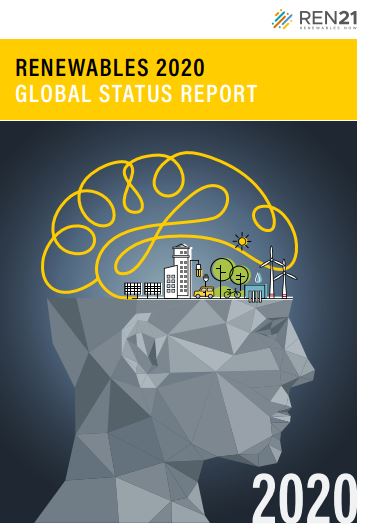
Like every year, the Renewables Global Status Report (GSR) has been launched to present the latest data and facts on renewable energy policies, markets and investments. This year its quite different from previous year
Transport for Under Two Degrees – The Way Forward
2020
Author(s): Hochfeld C, Pützschler M, Wanko M, Jung A, Enskat M, Hörtner C, Mettke C, Uhl J, Major M , Sohm S, Wolff C, Loane M
By adopting the 2030 Climate Action Plan including a CO2 pricing scheme for the transport sector, the Federal Government has paved the way for meeting its climate targets for 2030. Germany has taken on a pioneering role in the global energy transition – which represents the efforts made and results achieved on renewable energy expansion and energy efficiency.
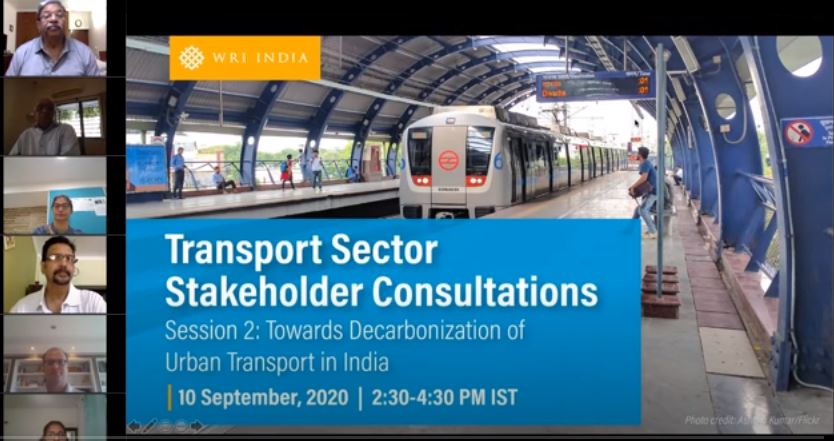
Transport Sector Stakeholder Consultation| Session 2 Towards Decarbonization of Urban Transport
2020
Author(s): World Resources Institute (WRI)
Electric mobility is no longer a want, but a necessity for decarbonizing the urban transport sector. Meeting India’s electric mobility goals requires a mix of battery swapping and charging infrastructure, increased in-house production of sub-systems, enhanced revenue sources, rebalancing of expenditures within state and city budgets and fare adjustment.
More than ever before, cities and their surroundings are centers of opportunity and innovation. As humanity urbanizes in record numbers, challenges of enhancing access, mitigating congestion, elevating safety, and improving air quality become essential needs to provide access to opportunities.
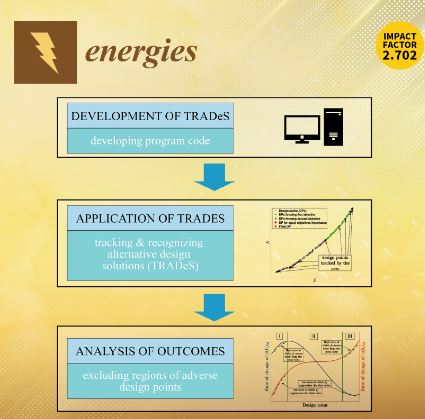
Profitable Decarbonization Through E-Mobility
2020
Author(s): Kumbaro G, Canaz C, Deason J, Shittu E
The objective of this paper is to answer an integrated set of questions related to how the transportation sector, despite the advances in vehicular fuel efficiencies and through plug-in electric vehicles, influences overall energy demand, cost and CO2 emissions.

Operation of Battery Storage as a Temporary Equipment During Grid Reinforcement Caused by Electric Vehicles
2020
Author(s): Held L, Baumann S, Suriyah MR, Leibfried T, Ratajczak L, Lossau S, Konermann M
Electric vehicle charging stresses distribution grids significantly with high penetrations of electric vehicles. This will lead to grid reinforcement works in several distribution grids. Battery storage is a possible solution to bypass times of grid reinforcement due to electric vehicle charging.

Multi-Level DC/DC Converter for E-Mobility Charging Stations
2020
Author(s): Lim S-K, Lee H-S, Cha H-R, Park S-J
The distribution of the small electric vehicles called personal mobility devices (PMDs), which can address problems such as traffic issues and environmental pollution, is expected to gain momentum.