



Knowledge Hub
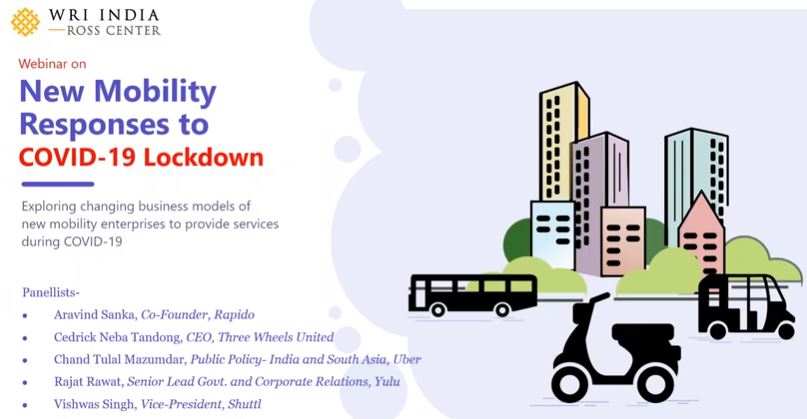
Webinar | New Mobility Responses to COVID 19 Lockdown
2020
Author(s): World Resources Institute (WRI)
The COVID-19 lockdown has brought our cities to a standstill, with necessary restrictions on people’s movements and the stoppage of all transport services. But transport is still needed- to help essential workers reach their offices, to help citizens visit hospitals and fulfil other emergency needs, and to help deliver groceries and other essential services to neighbourhood stores and people’s homes.
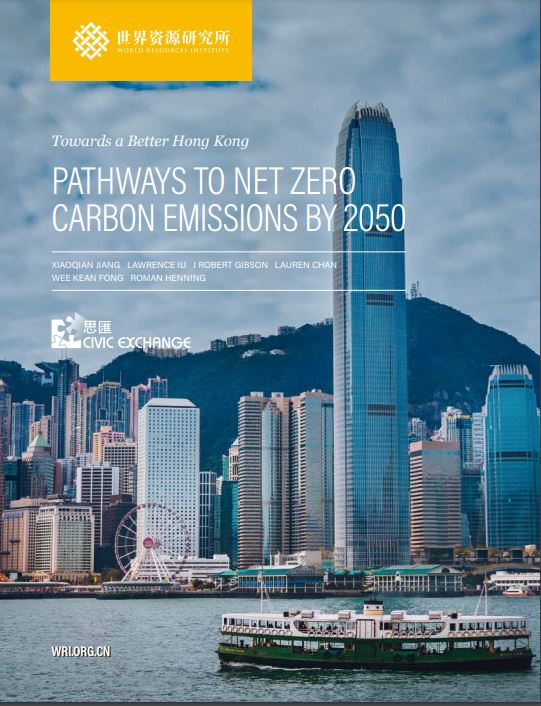
Towards a better Hong Kong: pathways to net zero carbon emissions by 2050
2020
Author(s): Jiang X, Lu L, Gibson JR, Chan L, Fong WK, Henning R
Hong Kong kicked off a public engagement program during June to September 2019 to collect public views, and it will subsequently formulate a long-term decarbonisation strategy. Many cities have committed to carbon neutrality or deep decarbonisation by 2050 or earlier. Copenhagen, for example, committed to being carbon neutral by 2025, and London and New York committed to being carbon neutral by 2050. If Hong Kong can achieve net zero emissions like these cities?
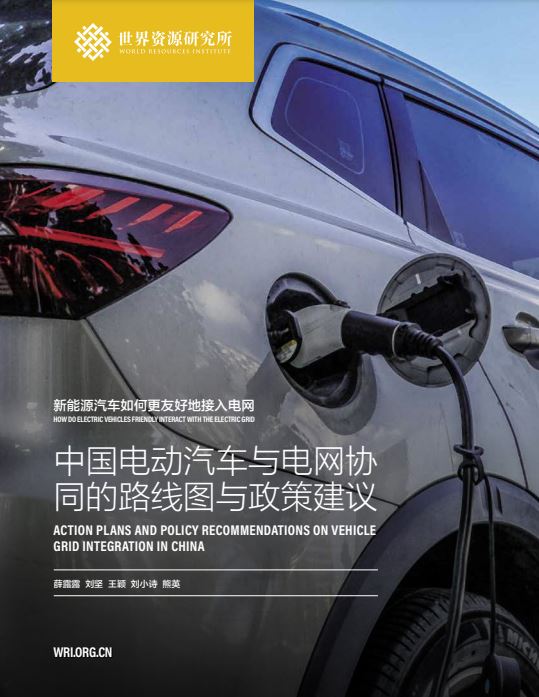
Action plans and policy recommendations on vehicle grid integration in China
2020
Author(s): Xue L, Jian L, Ying W, Xiaoshi L, Ying X
Assessing the technological and regulatory landscapes within China, this report identifies barriers to scaling up Vehicle Grid Integration (VGI) and offers a potential action plan and corresponding policy recommendations.
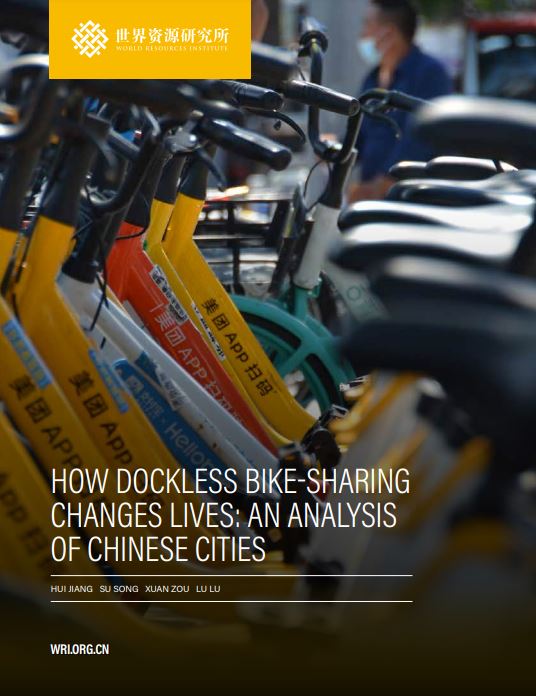
How dockless bike sharing changes lives: an analysis of Chinese cities
2020
Author(s): Jiang H, Song S, Zou X, Lu L
Dockless bike-share systems have experienced unprecedented growth in China since 2016. This report investigated the comprehensive nationwide impact of dockless systems in 12 Chinese cities with relatively high bike-share usage and a thriving bike-share economy: Shanghai, Beijing, Guangzhou, Shenzhen, Chengdu, Wuhan, Hangzhou, Nanjing, Xi’an, Jinan, Xiamen and Lanzhou.
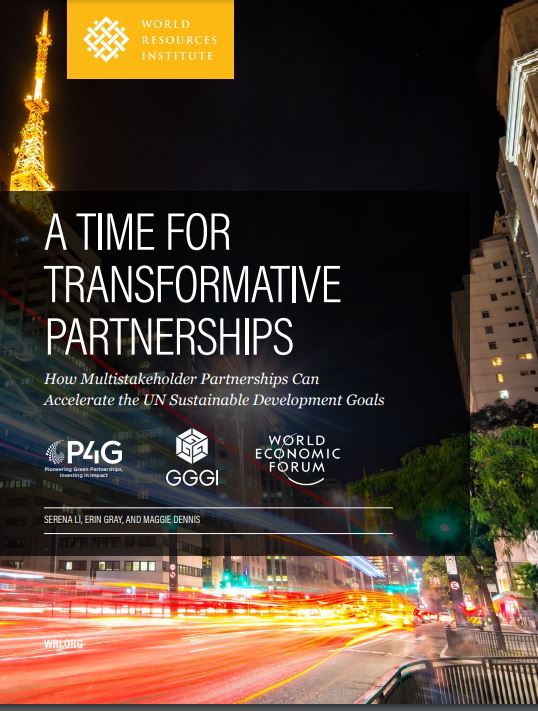
Transformative partnerships: how multistakeholder partnerships can accelerate the UN Sustainable Development Goals
2020
Author(s): Li S, Gray E, Dennis M
This report provides a valuable roadmap to help governments, businesses, and civil society organizations (CSOs) assess their role in multistakeholder partnerships and how these partnerships can contribute to transformative change and progress on the SDGs.
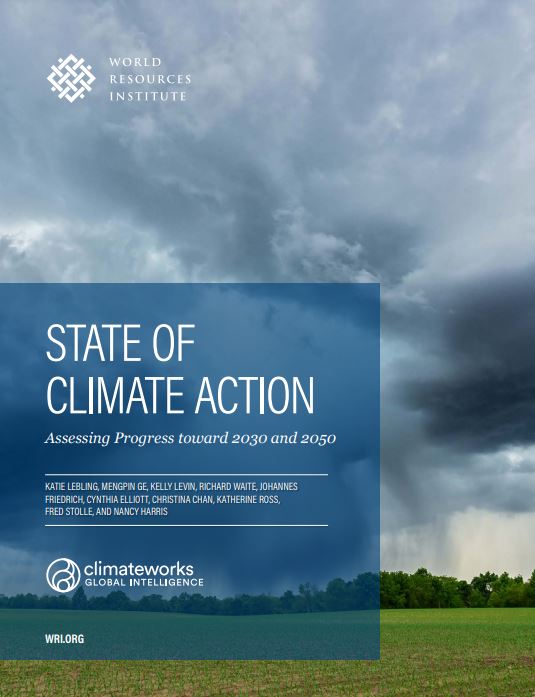
State of climate action: assessing progress toward 2030 and 2050
2020
Author(s): Lebling K, (et.al)
The report outlines opportunities within all six sectors to align emissions trajectories with what the science suggests is necessary to avoid the worst climate impacts. Countries, businesses, philanthropy and others must urgently put in place policies, incentives and financial investments to accelerate us toward that safer, prosperous and more equitable future.
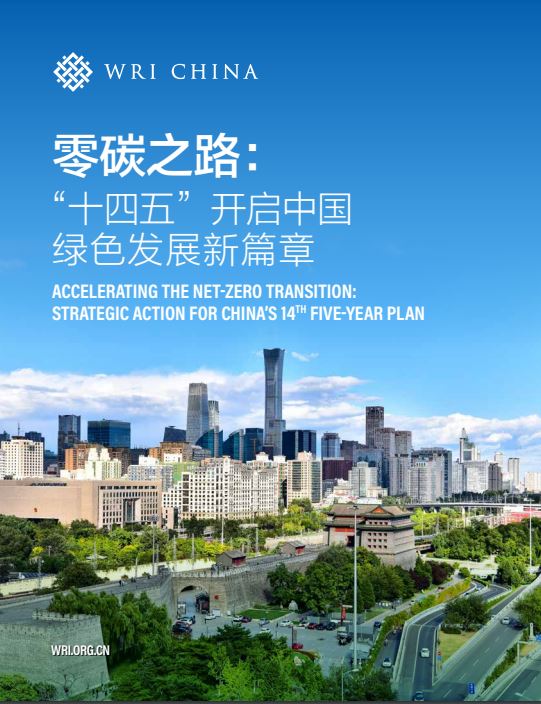
Accelerating the net-zero transition: strategic action for China’s 14th five-year plan
2020
Author(s): World Resources Institute
As the world’s largest emitter of greenhouse gases, China has a crucial role to play in tackling the climate crisis. Fortunately, China is signaling that it is taking this challenge seriously with President Xi Jinping’s recent announcement that China aims to peak its emissions before 2030 and reach carbon neutrality before 2060.
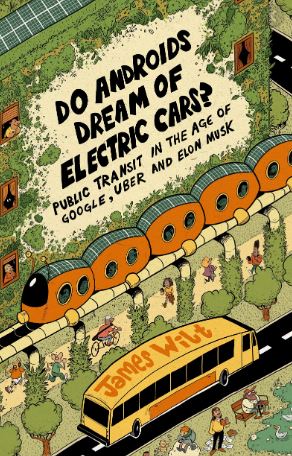
Public transportation is in crisis. Through an assessment of the history of automobility in North America, the "three revolutions" in automotive transportation, as well as the current work of committed people advocating for a different way forward.
Forks in the Road to E-Mobility: An Evaluation of Instrument Interaction in National Policy Mixes in Northwest Europe
2020
Author(s): Dijk M, Iversen E, Klitkou A, Kemp R, Bolwig S, Borup M, Mollgaard P
This paper assesses how policy shaped the development of electric mobility in three countries, Norway, the Netherlands and Denmark, between 2010 and 2015.
Grid-Friendly Integration of Electric Vehicle Fast Charging Station Based on Multiterminal DC Link
2020
Author(s): García-López FDP, Barragán-Villarejo M, Maza-Ortega J M
The success of the e-mobility will inevitably be linked to the network hosting capacity of new electrical vehicle chargers. This paper proposes a new topology of electrical vehicle fast charging station based on a multiterminal DC-link arrangement but using the same power electronic devices of the conventional ones.