



Knowledge Hub

Electric vehicles are a three-wheeled race: Sohinder Gill, CEO at Hero Electric
2020
Author(s): Gill S
HT Auto speaks to Sohinder Gill of The Society of Manufacturers of Electric Vehicles to find out what India can learn from other countries to take EVs to the masses.
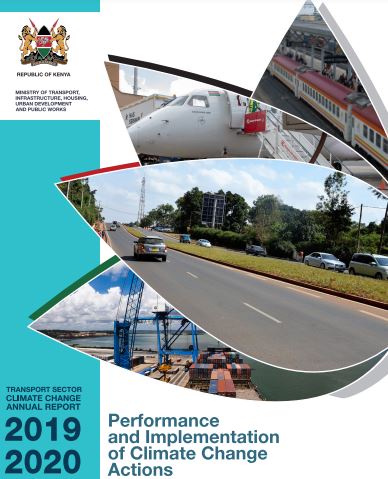
Kenya’s Transport Sector Climate Change Annual Report (2019/2020): Performance and Implementation of Climate Change Actions
2020
Author(s): Climate Change Unit, State Department of Transport, Government of Kenya
The second year in a row, the Climate Change Coordination Unit of the transport sector in Kenya compiled the Transport Sector Climate Change Annual Report. As noted in the report, the transport sector continuously makes up a large share of national GHG emissions.
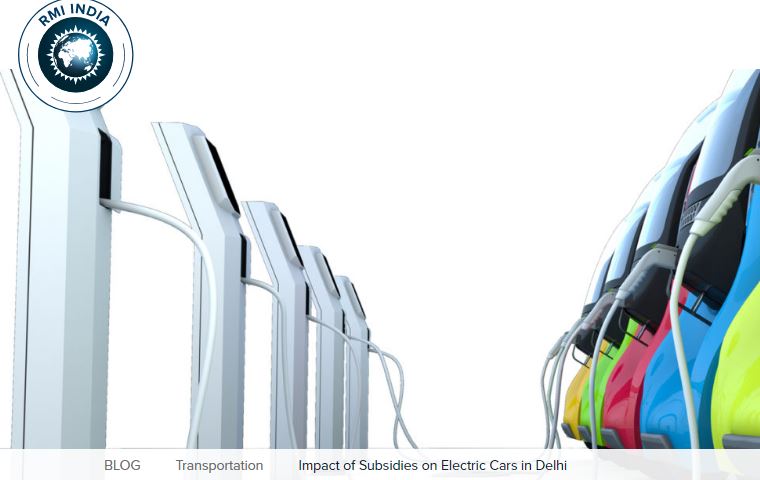
The Government of India has been taking various steps to drive the adoption of electric vehicles (EVs) in India for the past few years. However, the sales of electric cars in the country continue to be very low—only around 3,500 a year—as compared to those of conventional internal combustion engine (ICE) cars.

A Tactical Urbanism Guidebook
2020
Author(s): Mohankumar V, Rajalingam S, Venkatesan V, Saravanan N, Yasmin N
The purpose of this guidebook is to decode the various aspects of Tactical Urbanism – an emerging city-shaping approach in Indian cities.
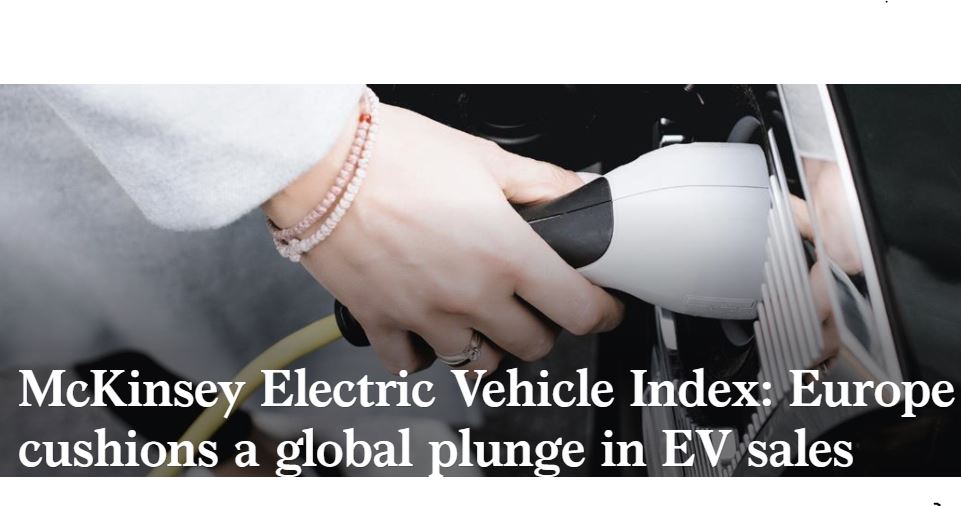
McKinsey Electric Vehicle Index: Europe Cushions a Global Plunge in EV Sales
2020
Author(s): Gersdorf T, Hertzke P, Schaufuss P, Schenk S
McKinsey’s proprietary Electric Vehicle Index (EVI) assesses the dynamics of the e-mobility market in 15 key countries worldwide. EVI results for 2019 and the first quarter of 2020 provide important insights about market growth, regional demand patterns, market share for major electric-vehicle (EV) manufacturers, and supply-chain trends.
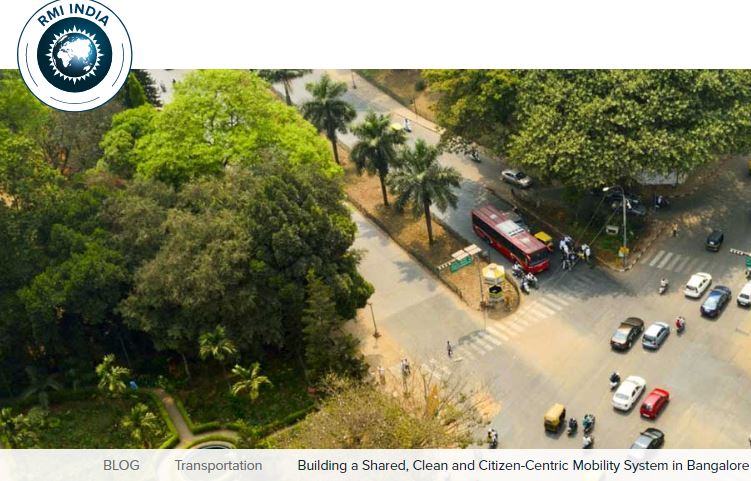
Building a Shared, Clean and Citizen-Centric Mobility System in Bangalore
2020
Author(s): Patil M, Abramczyk M
Bangalore, like many cities across India, is witnessing significant growth in mobility demand driven by rapid urbanization and growing incomes. This growth is straining an already burdened transportation system, resulting in many economic and environmental issues. Bangalore will need to develop and deploy shared, clean, and citizen-centric mobility solutions to ensure this demand is met in a sustainable manner that provides safe, accessible, and reliable transportation for citizens.
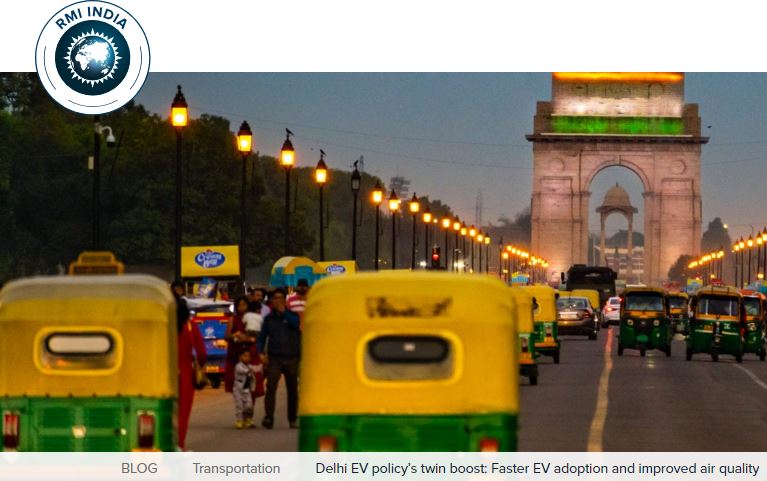
Delhi EV policy’s twin boost: Faster EV adoption and improved air quality
2020
Author(s): Ghate A, Suneja D
Delhi took an exciting step toward cleaning its air with the notification of the much-awaited Delhi EV Policy on August 7, 2020. The notification of the policy marks the official commencement effective immediately. The policy aims to address the problem of deteriorating air quality in Delhi, which threatens the quality of life and health of the national capital’s residents.
A Blue-Sky Vision: Clean Energy and Mobility in India’s Recovery
2020
Author(s): Ningthoujam J, Laemel R
The Rocky Mountain Institute (RMI) has been working in India for the past five years, supporting government and business leaders with the country’s energy transition. Over the past year, RMI has witnessed the challenging problems of Delhi’s infamous congestion and toxic air pollution—the latter of which has led to 4 in 10 of the city’s children suffering from air pollution-related respiratory ailments.
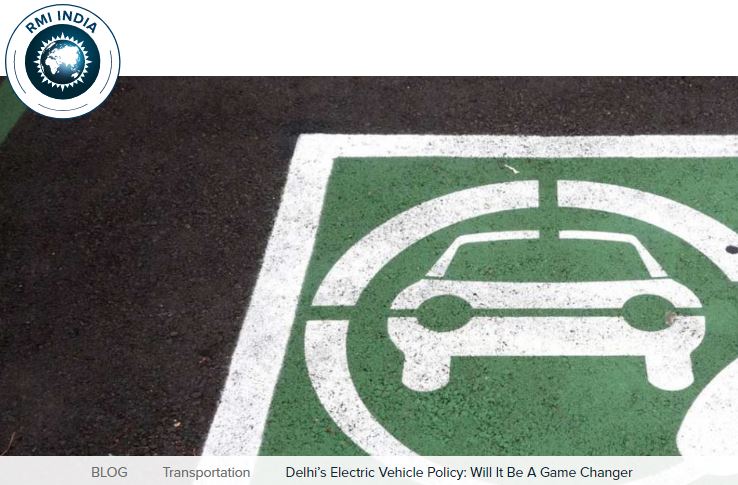
In one of the most progressive measures to address severe air pollution in Delhi NCR region, the government has approved the long-awaited Delhi Electric Vehicle (EV) Policy recently. The first draft of the policy was released in November 2018 and was welcomed by industry, intelligentsia and academicians.

Intelligent Charging Management of Electric Vehicles for Smart City
2020
Author(s): Gupta, Vishu
The study provides the results of scheduling under decentralized and centralized control in a multi-aggregator environment along with recommendations for applicability.