Opinions/Videos
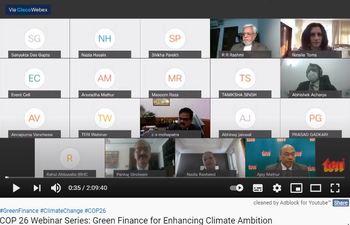
COP 26 Webinar Series: Green Finance for Enhancing Climate Ambition
2020
Author(s): The Energy and Resources Institute (TERI)
This webinar by The Energy and Resources Institute (TERI) on the theme ‘Green Finance for Enhancing India’s Climate Ambition’ was designed to focus on how broader economic and social development concerns can be addressed in green investments, the role of financial mechanisms and instruments in catalysing much needed private capital for green finance and how India can transition to a resilient, ‘greener’ financial system incorporating global standards on disclosures and risk management.

How India’s EV manufacturing can recover in the post-COVID-19 era, according to SMEV Dir-Gen Sohinder Gill
2020
Author(s): Mansur R
In an exclusive interview with SMBStory, Sohinder, who interacts with policymakers, academia, technology institutions, certification agencies, and foreign partners to help build India’s EV ecosystem, discussed the current state of EV manufacturing in India and what the future holds for the sector.
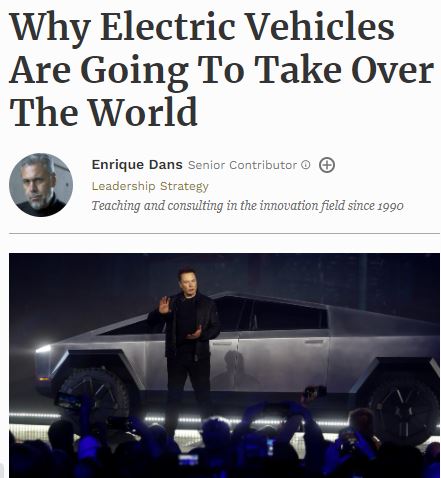
Electric mobility gives car designers much more creative freedom with fewer constraints than traditional vehicles, where pretty much everything has already been invented and could lead to revolutionary vehicles that look very different to anything we’ve seen so far. Enrique Dans, Senior Contributor, Leadership Strategy, talks about the transition to electric mobility and its impact on car dealers and their maintenance networks in this blog post.
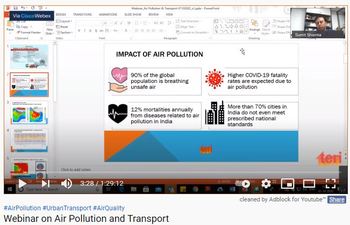
Webinar on Air Pollution and Transport
2020
Author(s): The Energy and Resources Institute (TERI)
With the ongoing un-lockdown, there has been a rising concern about air pollution in Delhi, and north India in general. Looking at the trends, winter months have led to serious distress and health emergency in the region. It has been found that exposure to air pollution could also increase vulnerability and have detrimental effects on the prognosis of patients affected by COVID-19. A study by Harvard University highlights that a trivial upsurge in long-term exposure to PM 2.5 leads to a huge increase in the COVID-19 death rate. The webinar discusses the preparedness of Delhi Government and other state governments for the upcoming air pollution crisis, and the role of EVs and public transport to overcome it.
A Blue-Sky Vision: Clean Energy and Mobility in India’s Recovery
2020
Author(s): Ningthoujam J, Laemel R
The Rocky Mountain Institute (RMI) has been working in India for the past five years, supporting government and business leaders with the country’s energy transition. Over the past year, RMI has witnessed the challenging problems of Delhi’s infamous congestion and toxic air pollution—the latter of which has led to 4 in 10 of the city’s children suffering from air pollution-related respiratory ailments.
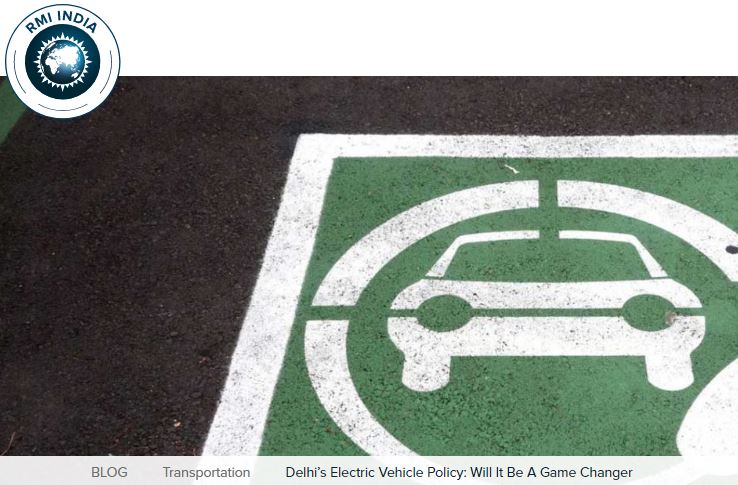
In one of the most progressive measures to address severe air pollution in Delhi NCR region, the government has approved the long-awaited Delhi Electric Vehicle (EV) Policy recently. The first draft of the policy was released in November 2018 and was welcomed by industry, intelligentsia and academicians.
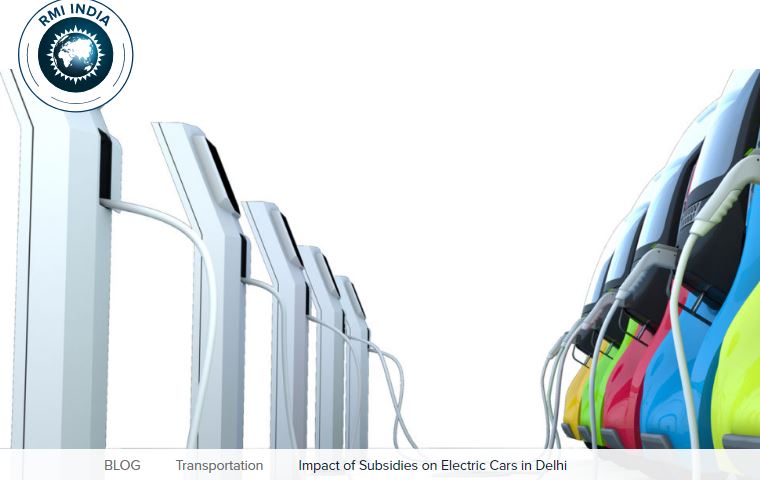
The Government of India has been taking various steps to drive the adoption of electric vehicles (EVs) in India for the past few years. However, the sales of electric cars in the country continue to be very low—only around 3,500 a year—as compared to those of conventional internal combustion engine (ICE) cars.
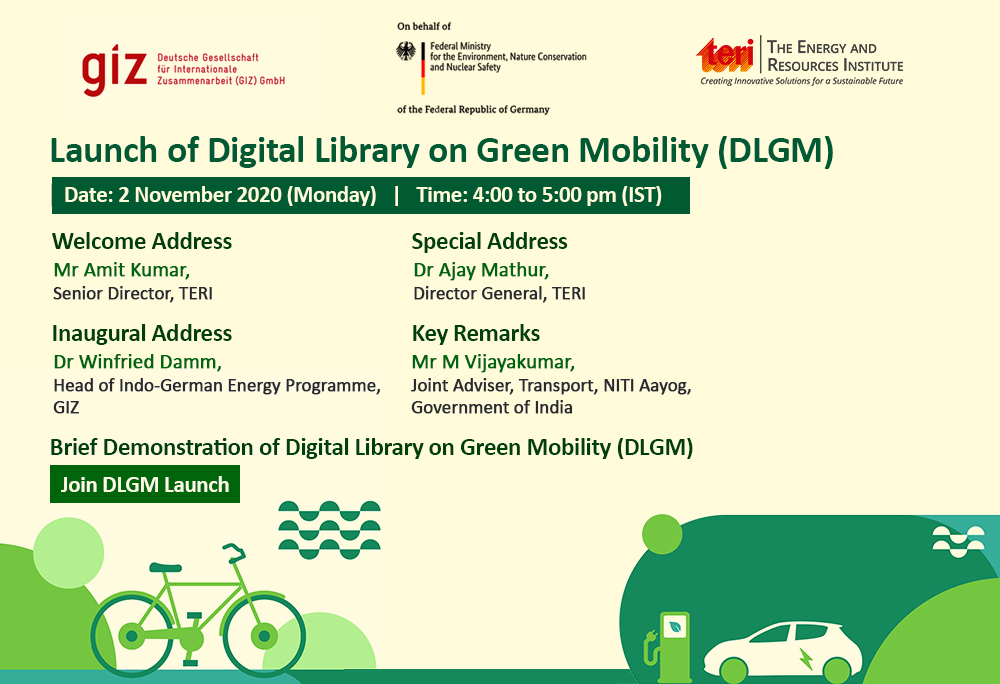
Launch of Digital Library on Green Mobility (DLGM) - Special address
2020
Author(s): Dr Ajay Mathur, Director General TERI
Speaking at the launch of DLGM, Dr. Ajay Mathur, D-G, TERI said, “Electric vehicles (EVs) are by far the most practical vehicle technology intervention to address rising air pollution in Indian cities.

Market Monitor: European Passenger Car Registrations January–July 2020
2020
Author(s): International Council on Clean Transportation (ICCT)
New car registrations continued to increase in July, going from 1.1 million in June 2020 to almost 1.3 million in July 2020—about the same level as in July 2019.
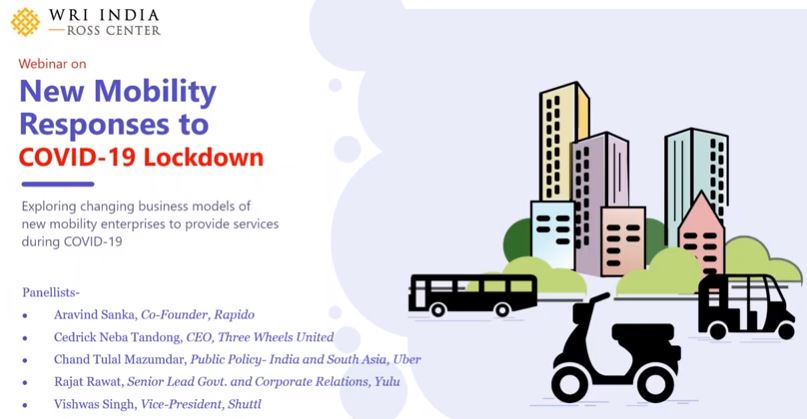
Webinar | New Mobility Responses to COVID 19 Lockdown
2020
Author(s): World Resources Institute (WRI)
The COVID-19 lockdown has brought our cities to a standstill, with necessary restrictions on people’s movements and the stoppage of all transport services. But transport is still needed- to help essential workers reach their offices, to help citizens visit hospitals and fulfil other emergency needs, and to help deliver groceries and other essential services to neighbourhood stores and people’s homes.