Opinions/Videos

The World Resources Institute (WRI) organised a webinar on Circular Economy Strategy for Batteries in India: Social, Technical, Environmental and Economic Aspects on January 20, 2020, as a part of the project, "Electric mobility Forum" launched by the vice president of India in 2019. The speaker Mr Rohan Singh Bais, Director, Ziptrax Cleantech Pvt Ltd, shared his views on the Status of recycling batteries for electric vehicles in India from Social, Technical, Environmental and Economic perspective.

Technology, Financing and Commercialization Aspects: Lessons from Indian EV Startup
2020
Author(s): Ghosh G
The World Resources Institute (WRI) organised a webinar on Technology, Financing and Commercialization Aspects: Lessons from Indian EV Startup on July 8, 2020, as a part...
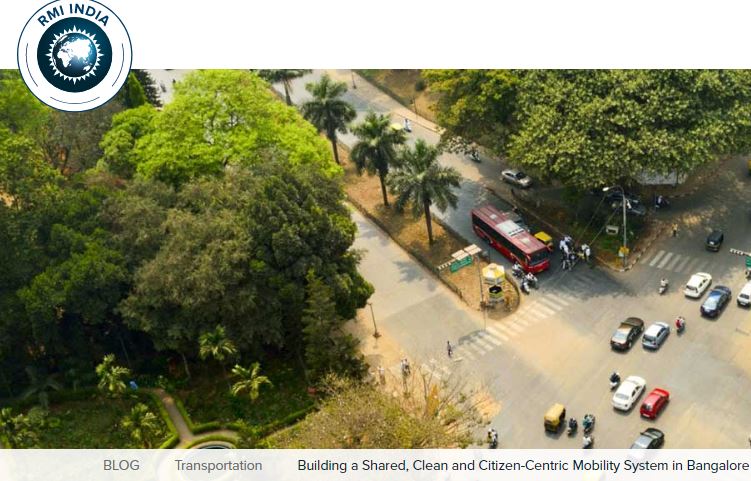
Building a Shared, Clean and Citizen-Centric Mobility System in Bangalore
2020
Author(s): Patil M, Abramczyk M
Bangalore, like many cities across India, is witnessing significant growth in mobility demand driven by rapid urbanization and growing incomes. This growth is straining an already burdened transportation system, resulting in many economic and environmental issues. Bangalore will need to develop and deploy shared, clean, and citizen-centric mobility solutions to ensure this demand is met in a sustainable manner that provides safe, accessible, and reliable transportation for citizens.
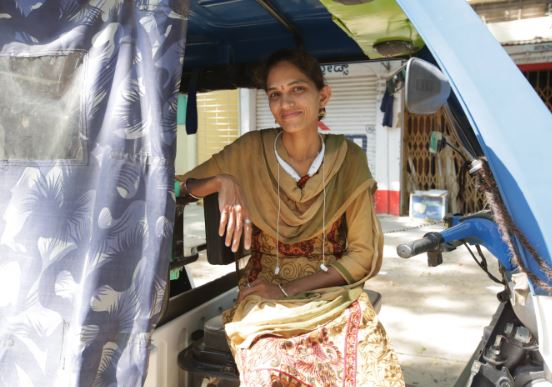
This 4 year (March 2016 to February 2020) project by Switch Asia aimed at promoting sustainable lifestyles and poverty reduction while reducing CO2 emissions and air pollution in India. The project fostered the scaling up of a replicable and integrated model of sustainable auto-rickshaw transport, based on clean technologies in the Cities of Bangalore and Chennai.
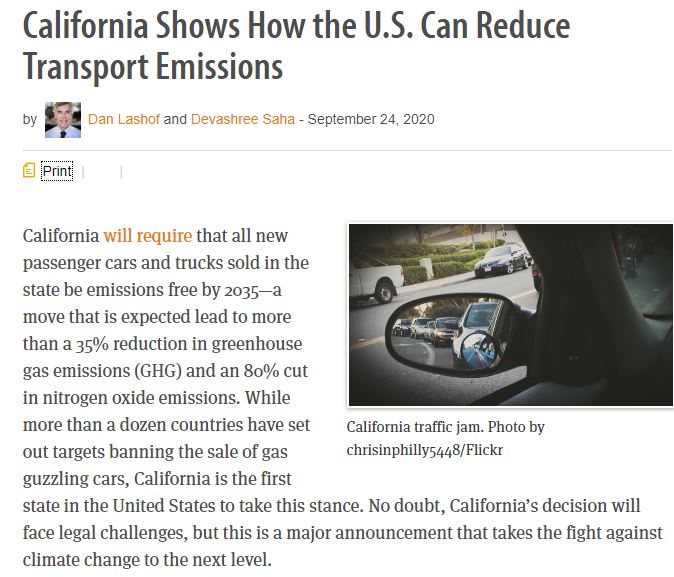
California Shows How the U.S. Can Reduce Transport Emissions
2020
Author(s): Lashof D, Saha D
How the United States addresses emissions from the transportation sector will largely determine if the country can meet its climate targets. In this post, WRI unpacks some of the factors driving the transportation sector and examine the differences among the states in emission trends and policy.

Safer, More Sustainable Transport in a Post-COVID-19 World
2020
Author(s): Welle B, Avelleda S
Coronavirus pandemic lockdowns are also putting an incredible strain on public transit systems worldwide. This blog post by the World Resources Institute (WRI) provides five ways governments, development banks and agencies can make public transport an integral part of stimulus packages for economic recovery.

This presentation by Agora Verkehrswende talks about the future package of the130 bn Euro German recovery and relief programme highlighting the following: 1. Supporting the demand for electric and efficient vehicles 2. Supporting the supply of e-mobility and mobility services 3. Support for public transport and infrastructure

Dual-Benefit Stimulus: Suggestions for Green Growth and Investment Initiatives
2020
Author(s): Schäfer M
In this presentation, the Agora Verkehrswende proposed a recovery programme for targeted growth and investment in Germany containing over 50 dual-benefit measures. The presentation focuses on these mechanisms and illustrates them mainly with examples from Agora's proposal for Germany.
COP 26 Webinar Series: Future of E-Mobility in India: Strategies to Drive Demand
2020
Author(s): The Energy and Resources Institute (TERI)
This webinar by the British High Commission (BHC) and TERI, discussed ways to boost clean and resilient economic recovery through an e-mobility revolution in India. The discussions explored the following: 1. How to generate demand for electric vehicles using innovative awareness campaign strategies, policies, technologies and financial models? 2. How to accelerate the adoption of electric mobility through partnership models reflecting international best practices?

Market Monitor: European Passenger Car Registrations January–June 2020
2020
Author(s): International Council on Clean Transportation (ICCT)
In June 2020, new car registrations in Europe (1.1 million) returned to pre-COVID-19 levels of January and February 2020.