



Knowledge Hub

Freight Distribution With Electric Vehicles: A Case Study in Sicily
2021
Author(s): Napoli G, Polimeni A, Micari S, Dispenza G, Antonucci V, Andaloro L
This paper explores the integration of electric vehicles in logistics operations executed through light commercial vehicles, taking into consideration, during the design phase of a new concept delivery van, the technical connections with the production systems and its possible applications also in areas other than urban.

Fuel Cell Electric Vehicles and Hydrogen Balancing 100 Percent Renewable and Integrated National Transportation and Energy Systems
2021
Author(s): Oldenbroek V, Wijtzes S, Blok K, van Wijka AJM
The question addressed in this paper is how parked and grid-connected hydrogen-fueled Fuel Cell Electric Vehicles might balance 100 per cent renewable electricity, heating, cooling and transport systems at the national level in Denmark, Germany, Great Britain, France and Spain?

Modelling Electric Vehicle Charging Network Capacity and Performance During Short-Notice Evacuations
2021
Author(s): MacDonald CD, Kattan L, Layzell D
In this paper, a generalized framework based on a G/G/c/N queueing model (general arrival process, general service process, c charging stations, and N EVs) was developed to estimate the number of vehicles that can be charged in the pre-departure evacuation stage and thus assess the pre-departure impacts.
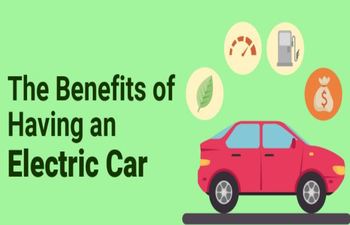
This guide covers all that we need to know about the benefits and disadvantages of electric cars. Also, it provides us a wealth of information relevant to EVs and their ICE alternatives.

Accessibility Analysis for Urban Freight Transport With Electric Vehicles
2021
Author(s): Carrese F, Colombaroni C, Fusco G
The aim of this paper is to depict extremely complex interactions between components of freight distribution systems using an accessibility analysis based on an aggregate approach, rather than cumbersome simulations of all possible tours, customers, and deliveries.

Integrated Scheduling Strategy for Private Electric Vehicles and Electric Taxis
2021
Author(s): Shen J, Wang L, Zhang J
Private electric vehicles and electric taxis are two of the most common electric vehicles (EVs) in the cities. It is important to regulate the charging load file of PREVs and ETs, which has a significant impact on the power grid.

Off-Grid Solar Charging of Electric Vehicles at Long-Term Parking Locations
2021
Author(s): Ghotge R, Wijk Ad van, Lukszo Z
Larger EV fleets lead to an increase in the demand for both electricity and EV charging infrastructure. This work analyses the effectiveness of an off-grid solar photovoltaic system for the charging of electric vehicles (EVs) in a long-term parking lot.
Efficient Planning and Implementation of Public Chargers: Lessons Learned From European Cities
2021
Author(s): Bernard MR, Hall D
This working paper gathers insights from selected European cities on how to streamline the charging infrastructure planning and implementation process.
Potential Analysis of E-Scooters for Commuting Paths
2021
Author(s): Edel F, Wassmer S, Kern M
A new means of transport for the German market is personal light electric vehicles (PLEVs). The most common form of PLEV at present is the e-scooter (e-kick-scooter). This new type of mobility, and its use, are part of the public discourse and discussed in the media.

Embedding Imaginaries- Electric Vehicles in Sweden’s Fossil Fuel Free Future
2021
Author(s): Mutter A
The purpose of this study is to explore the interaction between visions of the future and policy through the analysis of one Swedish policy document, a 2013 government investigation Fossil Fuel Freedom on the Road, and its subsequent policy process.